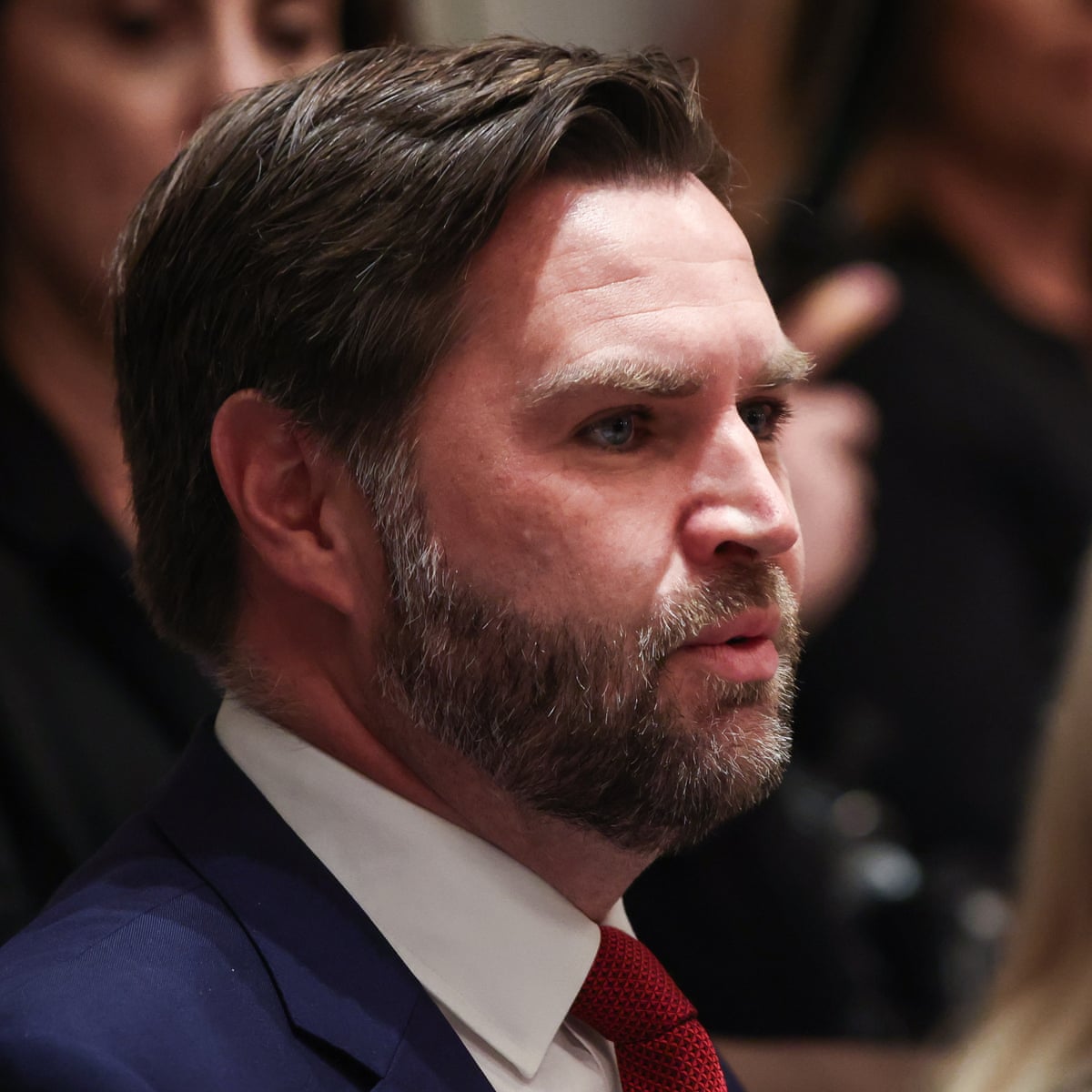
In a bold and contentious statement, Vice President JD Vance, the highest-ranking Catholic official in the U.S. government, called on Pope Leo XIV and the Vatican to stay out of American political affairs. Vance, known for his provocative stances on issues ranging from immigration to economic reform, made the comment during a public address that has sparked widespread debate and controversy. His call to remove the Vatican’s influence from U.S. politics echoes the ongoing conversation about the role of religion in governance, touching upon the core principle of the separation of church and state.
Vance’s remarks were particularly striking because they came from within the political establishment itself. As a devout Catholic, Vance’s perspective holds weight in the conversation about the influence of religious institutions on American society. His statement has drawn sharp lines in the debate about whether faith-based institutions should weigh in on political matters that affect the general public or whether their role should remain confined to moral guidance. This article delves deeper into Vance’s comments, the context in which they were made, and the broader implications they have for the future of church-state relations in the United States.
The Vatican’s Influence in Global Politics
The Vatican has long been a unique and influential force in global politics. As the heart of the Roman Catholic Church, it holds sway over more than a billion adherents worldwide. But the Vatican’s influence extends beyond spiritual matters—it plays a key role in diplomatic relations, often serving as a mediator in international conflicts, advocating for human rights, and contributing to peace-building efforts.
The Vatican’s moral authority is significant, and many Catholic leaders have historically voiced their opinions on issues such as poverty, war, and social justice. Pope Leo XIV, in particular, has been an outspoken advocate for social issues and has addressed concerns such as climate change, economic inequality, and the refugee crisis. His leadership has been marked by an emphasis on compassion and care for the marginalized, aligning with the Church’s long-standing commitment to social justice.
However, while the Vatican’s influence is recognized globally, its direct involvement in political decisions, particularly in countries like the United States, has been a subject of ongoing debate. The Pope’s comments on political issues often resonate with his followers, but they can also be seen as controversial, especially when they touch on issues of national policy. The Vatican’s involvement in matters like immigration reform, healthcare, and environmental policy has raised questions about the appropriate level of influence religious institutions should have in shaping political outcomes. 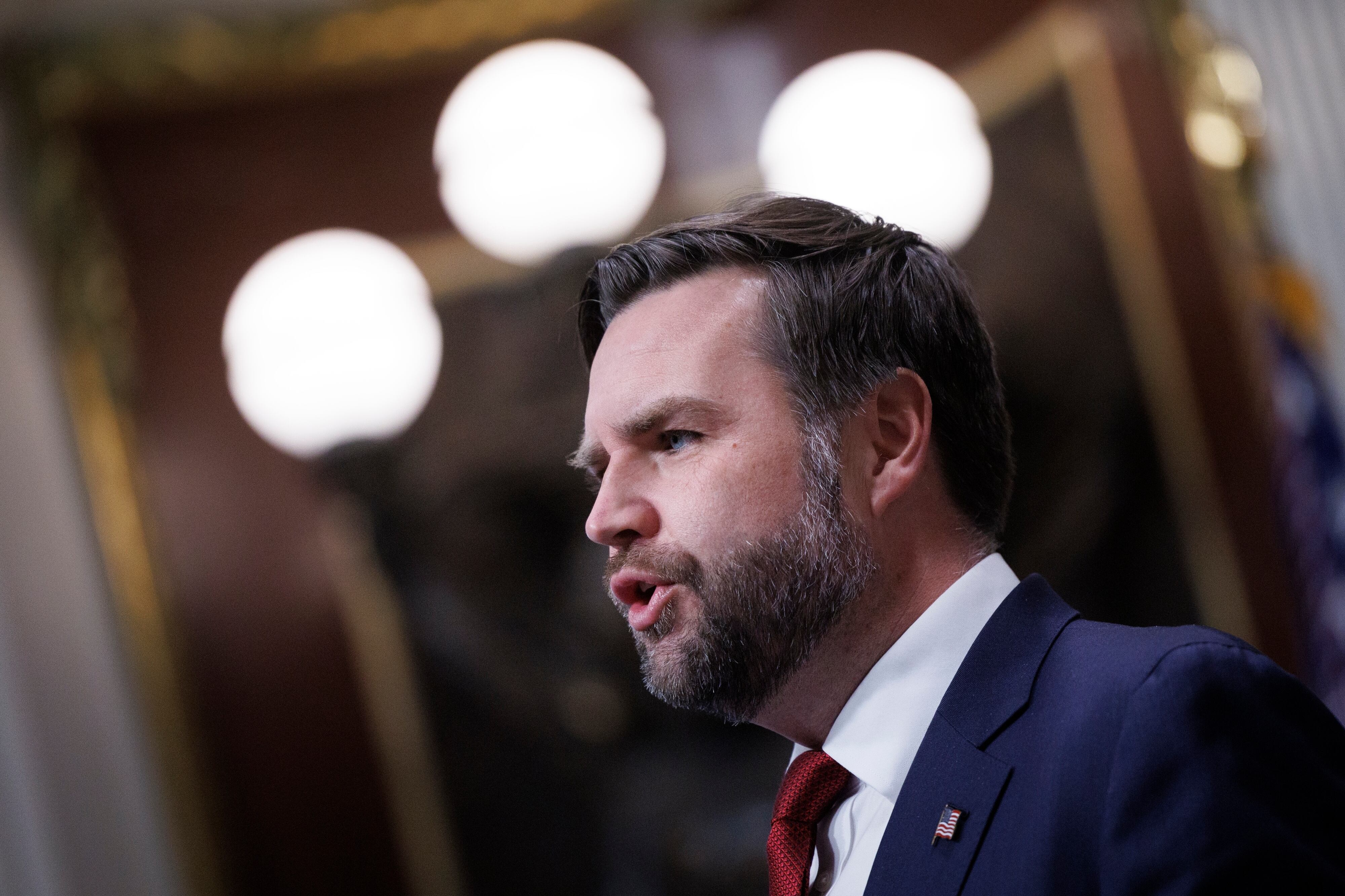
The Growing Divide on Church-State Separation in America
One of the most fundamental principles of American governance is the separation of church and state. This concept, enshrined in the First Amendment of the U.S. Constitution, ensures that government decisions are made independently of religious influence and that no religious institution is granted special privileges. The idea behind this separation is that the government should remain neutral in matters of faith, allowing for the free exercise of religion without imposing any particular religious view on the public.
For many Americans, the question of how much influence religion should have on public life is not merely an academic one. It is a deeply personal issue that touches on core values and beliefs. The rise of religious political groups in the U.S., including Evangelical Christians and Catholic organizations, has brought religion into the political spotlight. The involvement of these groups in elections, policy debates, and social issues has sparked a larger conversation about whether America should remain a secular nation or embrace a more religiously influenced political system.
Vance’s comments, then, are a response to the growing influence of religious groups in U.S. politics. His call for the Vatican to limit its involvement in political matters reflects a broader concern about the erosion of the separation of church and state. It is an argument that resonates with those who believe that the government should not be swayed by religious leaders or institutions, but should instead make decisions based on the needs and desires of the people.
Vance’s Stance: The Role of the Vatican in American Politics
Vance’s argument for the Vatican to stay out of U.S. political affairs is rooted in the belief that religious institutions, while important in providing moral and ethical guidance, should not directly shape the laws and policies that govern the nation. He suggests that the Vatican’s role should be limited to matters of faith, leaving political decisions to those who have been elected by the people.
This call for separation is not without its critics. Many religious leaders argue that faith and politics are inseparable and that religious teachings should guide political decisions. They contend that issues like poverty, inequality, and human rights are inherently moral issues, and religious institutions have a duty to speak out on behalf of those who are marginalized. From this perspective, the Vatican’s involvement in political matters is seen as not only appropriate but necessary for ensuring that the government reflects Christian values of love, compassion, and justice.
On the other hand, Vance’s position reflects a growing concern that the line between religion and politics has become increasingly blurred. Over the past few decades, there has been a rise in the political activism of religious groups, particularly in conservative circles. The Catholic Church has become more involved in political debates, with Church leaders taking positions on everything from abortion to immigration. This level of involvement has led some to question whether religious leaders are overstepping their bounds by becoming active participants in the political process.
For Vance, the key issue is the potential for undue influence. By calling for the Vatican to refrain from engaging in political matters, Vance is emphasizing the importance of maintaining a democratic system where political decisions are made by elected officials, not religious leaders. This, he believes, is essential for upholding the principles of freedom and fairness that are central to the American political system.
The Influence of Religion on American Politics: A Historical Perspective
The role of religion in American politics has always been a point of tension. From the founding of the nation, the question of how much influence religious institutions should have in public life has been debated. The framers of the U.S. Constitution were clear in their intention to prevent any single religion from dominating the political system. Thomas Jefferson, in particular, was a strong advocate for the separation of church and state, famously writing in his 1802 letter to the Danbury Baptists that there should be “a wall of separation between church and state.”
Despite this, religion has always played an important role in American politics. Throughout U.S. history, religious groups have been deeply involved in political and social movements. The abolition of slavery, the civil rights movement, and the fight for women’s suffrage were all supported by religious leaders who saw these issues as moral imperatives. In many cases, religious institutions have been at the forefront of social change, advocating for justice and equality in the face of oppression.
However, as the U.S. has become more diverse and secular, the role of religion in politics has become more contentious. The rise of religious political movements, particularly among conservative Christian groups, has led to calls for a more pronounced role for religion in public life. This has resulted in a backlash from those who believe that the government should remain neutral on religious issues and that policies should be based on secular reasoning, not religious doctrine.
Vance’s comments come at a time when the debate over the role of religion in politics is more relevant than ever. As issues like abortion, LGBTQ rights, and climate change continue to divide the country, the question of how religious institutions should influence political decision-making is only going to become more urgent.
Religious Influence in Politics: The Pros and Cons
There are compelling arguments on both sides of the debate over religious influence in politics. Supporters of religious involvement argue that faith-based perspectives can provide moral clarity on complex issues. They believe that religious teachings offer a framework for making ethical decisions, particularly on matters of justice, human rights, and the common good. Many people of faith believe that their religious convictions should inform their political views, and that religious leaders have a duty to guide their followers on important issues.
On the other hand, critics of religious influence in politics argue that religious beliefs are deeply personal and should not be imposed on the wider population. They believe that the government should make decisions based on reason and law, rather than religious dogma. In a pluralistic society like the United States, where people hold a variety of religious and philosophical beliefs, it is essential that political decisions are made in a way that respects the rights of all citizens, regardless of their faith.
Vance’s position is rooted in this concern. He believes that while the Vatican has an important role to play in moral discourse, it should not be in a position to dictate public policy. Instead, he calls for the Vatican to focus on issues that are within its purview—such as social justice, humanitarian efforts, and the promotion of moral values—while leaving the political decisions to the elected representatives of the people.
The Future of Church-State Relations in America
Vice President JD Vance’s call for the Vatican to stay out of U.S. political affairs is a provocative one, and it is likely to ignite further debates about the role of religion in American politics. While the Vatican’s influence on global affairs cannot be understated, its involvement in U.S. politics raises important questions about the separation of church and state. As the U.S. continues to grapple with issues of morality, governance, and religious influence, Vance’s statement serves as a reminder of the delicate balance that must be maintained between faith and politics.
In the end, the future of church-state relations in America will depend on the willingness of both religious institutions and political leaders to respect the boundaries of their respective roles. As the debate continues, one thing is clear: the conversation about the role of religion in politics is far from over. Whether the Vatican, or any religious institution, should have a say in the governance of the U.S. will remain a point of contention as the nation navigates the complex intersection of faith, law, and democracy.