The glittering world of The Rocky Horror Picture Show promises a wild party, but the making of the film was a marathon of endurance. While audiences see the fishnets, hear the anthems, and feel the rebellion, the backstage story is one of physical hardship, quick thinking, and an ensemble pushing past their limits. At the center was Tim Curry, who carried the weight of the film as Dr. Frank-N-Furter. Having honed the role on stage, he walked onto the set not as an actor preparing, but as the character arriving. His audacious suggestion that the sweet transvestite needn’t be a singer revealed a deep understanding that charisma, not convention, would define the role.
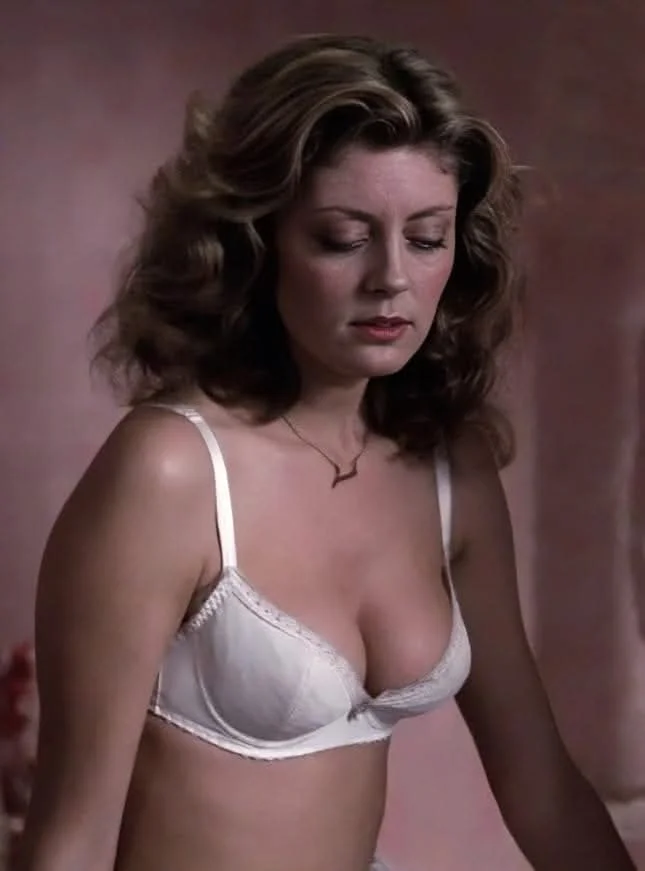
Life on set was far from the cozy mansion it appeared to be. The cast worked exhaustingly long days in a drafty, damp studio where the roof leaked and morale was tested by the cold. Susan Sarandon’s commitment bordered on the heroic; filming her scantily clad scenes in these freezing conditions directly caused her to develop pneumonia. Despite this, she never missed a beat, her professional dedication ensuring Janet Weiss remained convincingly flustered and enthralled. Curry, meanwhile, sacrificed hours each day to become Frank-N-Furter, a taxing ritual of transformation that symbolized the entire cast’s devotion to the project’s unique vision.
Some of the film’s most beloved moments were unplanned gifts from this chaotic environment. When Meat Loaf nailed his energetic performance of “Hot Patootie” in a single, flawless take, it was a burst of spontaneous perfection. The script called for Dr. Scott to enter through a door, but when the builders forgot to include one, the solution—having him burst through the wall—became an iconic, improvised entrance. Even the intense chemistry between the leads had an element of real pain; Barry Bostwick’s aggressive hand-slam during the dinner scene was an accident that truly hurt Sarandon, and her step on his foot later was deliberate payback, all caught on camera.
The film’s paradoxical journey—from a difficult shoot to a global phenomenon—is underscored by its royal fanbase and the cast’s complex relationship with its success. Learning that Princess Diana cherished the film was a surreal testament to its wide appeal. Yet, this cultural footprint didn’t translate into financial reward for the original performers through DVD sales, a fact that cast a shadow over the experience for some, like Sarandon, for years. The film had become bigger than they were, for better and for worse.
In the end, the rough edges and behind-the-scenes struggles didn’t weaken Rocky Horror; they gave it authenticity. The film resonates because it feels handmade, slightly ragged, and bursting with the real energy of a group of artists surviving a tumultuous creation process together. It wasn’t manufactured to be a cult classic; it became one because every drop of sweat, every shiver, and every unscripted moment of mayhem was baked into its DNA, inviting generations to revel in its glorious, imperfect magic.