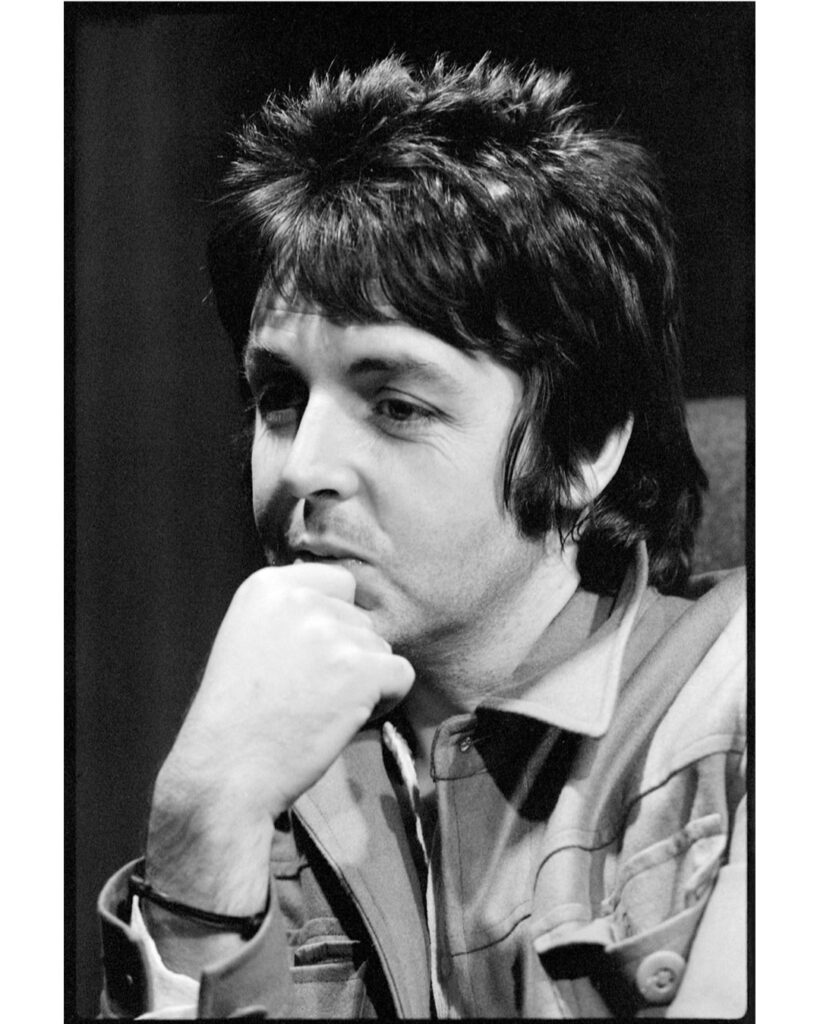
There exists a peculiar myth that artists who defined an era must remain frozen within it to be remembered. The reality is far more interesting. Consider Paul McCartney. His face once launched a million screams, his songs the soundtrack to a planetary shift in youth culture. To claim he is now forgotten is to mistake the deafening volume of then for the profound depth of now. He hasn’t vanished; he has graduated. His presence today is less about daily headlines and more about the omnipresent hum of his influence in everything from melodies on the radio to the very concept of a singer-songwriter. His current chapter is one of dignified, active legacy.
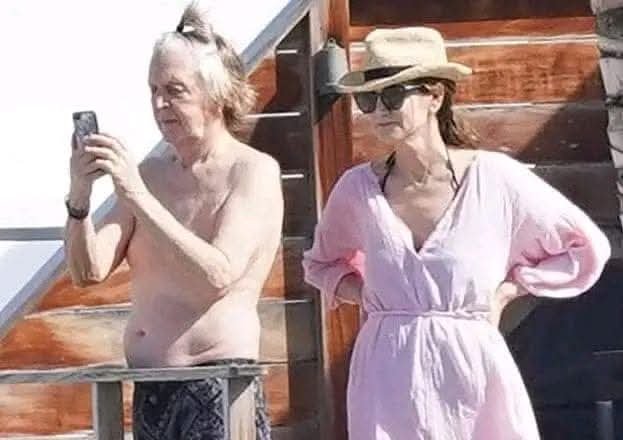
A recent glimpse of this chapter came from a sun-drenched beach in St. Barts. There, McCartney, sporting a practical man bun, embodied a relaxed vitality that defies his nearly eight decades. Beside him, his wife Nancy Shevell epitomized stylish ease. This wasn’t the carefully curated image of a star trying to stay relevant; it was the authentic posture of a man at peace, yet still curious. His hairstyle choices have long been a quiet barometer of his personal freedom—from the revolutionary Beatles cut to long hippie locks, and now to embracing his natural gray and simple, tied-back hair. Each phase reflects a man living in the present, not trapped in a museum of his past.
This present is fiercely creative. The isolation of the pandemic lockdown became, for McCartney, a period of fertile production. Alone in his studio, he crafted “McCartney III,” playing every instrument and layering every vocal. He described the process without grandiosity, comparing it to the domestic tasks many undertook during that strange time. For him, making an album was the equivalent of cleaning out a closet—a necessary, satisfying act of organization and creation. This humble analogy reveals an artist for whom songcraft is a fundamental, ingrained habit, not a performative effort to reclaim attention.
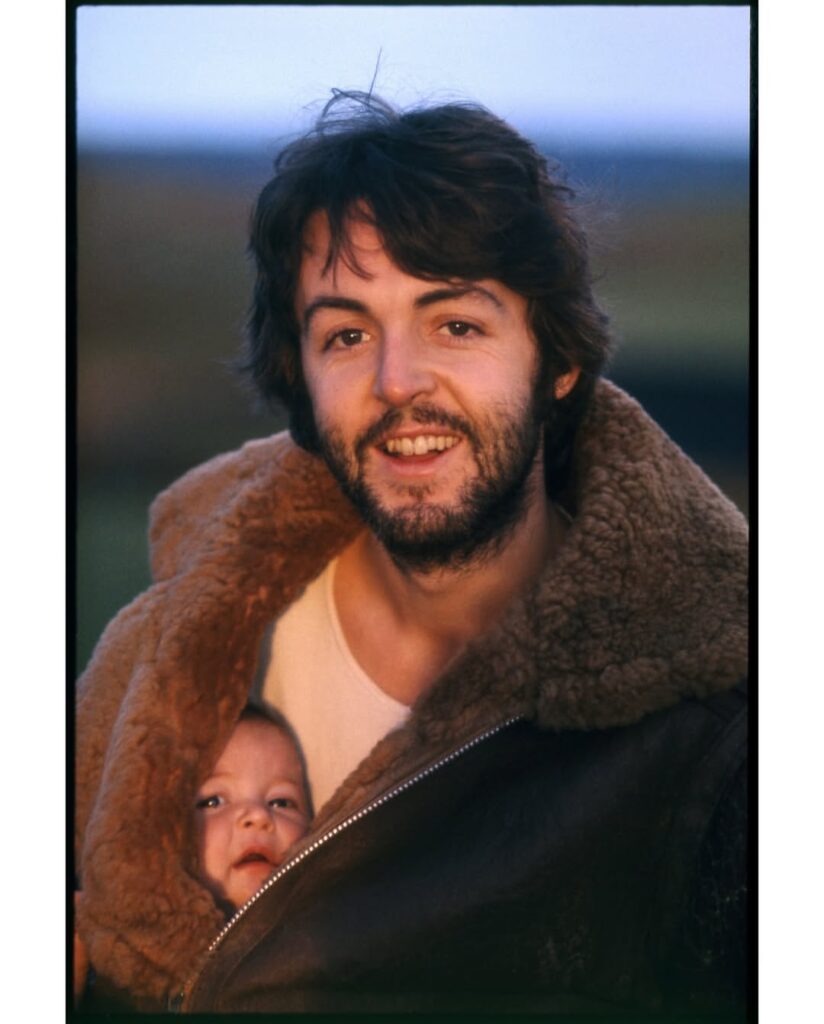
“McCartney III” intentionally echoes the titles of his first two solo ventures, projects defined by their intimate, DIY spirit. This third installment is a powerful bookend, demonstrating a remarkable consistency of vision. It’s a record that exists not because it had to, but because the artist’s inner engine compelled it. In an industry obsessed with youth and novelty, McCartney offers a masterclass in sustained artistic integrity, proving that compelling music needs no other justification than the artist’s desire to make it.
The notion that fame has faded because chatter has quieted is a superficial measurement. Paul McCartney’s legacy is not a flickering candle but a settled, permanent light. He is remembered every time a new band writes a melodic bass line, every time an artist experiments in a home studio, every time a classic song comes on the radio and bridges generations. He may walk on beaches unbothered, release albums without massive hype, and wear his hair in a bun, but this isn’t obscurity. It is the hard-earned freedom of a master who no longer needs the world’s applause to validate his work, yet continues to gift it with his genius anyway.