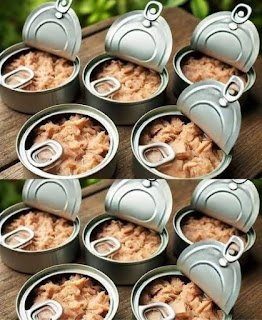
It’s a common kitchen scene: the satisfying pop of the can, the meal prepared, and the empty container swiftly discarded. Yet, pausing at that moment can open a door to creativity and conservation. That small, sturdy tuna can is far from useless. Giving it a second purpose is a direct, personal step toward reducing household waste. This practice aligns with a growing desire to live more sustainably, showing that impactful choices can be simple, cost nothing, and even add a unique, handmade charm to your living space.
With a thorough cleaning, a tuna can is instantly ready for a decorative makeover. Its ideal size and shape make it a natural candidate for a DIY candle. The process is wonderfully simple: secure a wick and fill the can with soy or beeswax flakes. Once set, you have a delightful, custom candle. For a personalized touch, adorn the outside with acrylic paint, washi tape, or a strip of lace. If you prefer greenery to glow, convert the can into a miniature planter. Ensure drainage with a few holes, add a layer of pebbles and potting mix, and introduce a small plant. A row of these on a sunny ledge creates an adorable and eco-friendly herb garden.
Functionally, these tins are unsung heroes of home organization. In the drawer, they keep rubber bands, thumbtacks, and binder clips neatly contained. On a desk, they gather pens and scissors. In a craft room, they separate beads, sequins, or embroidery floss. Their stackable nature is a key advantage, allowing for vertical storage in tight spaces. For a more permanent solution, attach several cans side-by-side to a wooden plaque to create a handy wall organizer for tools, makeup brushes, or kitchen utensils. A uniform coat of chalkboard paint even allows for easy labeling.
These cans also offer a fantastic opportunity for family craft time. They are safe, manageable canvases for children to decorate with non-toxic paints, creating unique holders for their treasures. An adult can help smooth any rough edges with sandpaper, after which the can becomes a perfect vessel for holding crayons, cookie-cutters, or play-doh tools. For pet owners, a clean can makes a handy, disposable water dish for on-the-go situations. Each repurposed can is a small lesson in resourcefulness.
Reusing a tuna can is a quiet but powerful act. It shifts our perspective from seeing objects as single-use to recognizing them as materials with ongoing potential. This mindset, applied to even the smallest items, cultivates a culture of care and creativity in the home. It proves that environmental stewardship isn’t just about grand gestures; it’s woven into the fabric of daily life through conscious choices like washing out a can and deciding it has more to give.