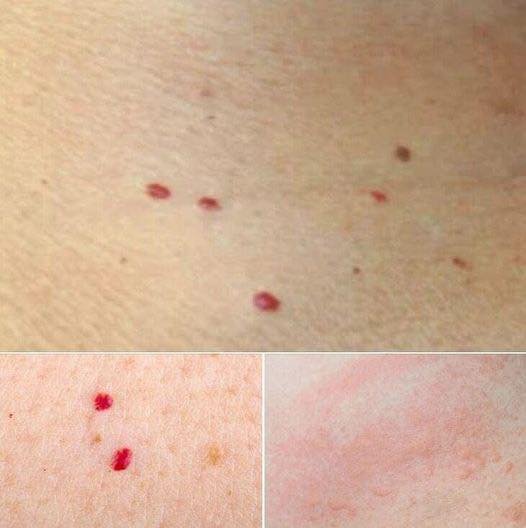
Your skin is a daily barometer of your health and environment, and the sudden appearance of a red spot is one of its most common signals. While often harmless, these spots can sometimes indicate something that needs attention. The causes are wonderfully varied, from a fleeting encounter with an irritant to a sign of a chronic condition. By exploring the landscape of common causes, you can move from a place of concern to one of informed action. This guide will help you recognize patterns and understand when it’s time to seek expert advice for clearer, more comfortable skin.
Many red spots are your skin’s direct response to something in your immediate world. A classic example is heat rash, where hot, humid conditions lead to itchy red bumps as sweat gets trapped. The fix is simple: get cool and dry. Contact dermatitis is another reactive cause, presenting as an itchy red rash where your skin met an allergen like nickel or an irritant like a chemical cleaner. The rash usually clears once the substance is avoided. Even water activities can cause a reaction; swimmer’s itch is a short-lived but itchy rash from parasites in lakes or oceans, often clearing on its own without treatment.
Some red spots are related to the structure and function of your skin itself. As we age, many adults develop cherry angiomas—small, bright red, dome-shaped bumps that are simply clusters of blood vessels. They are benign and painless. In contrast, conditions like petechiae (tiny red dots) or purpura (larger purple spots) result from minor bleeding under the skin. A few spots might be from something simple, but a sudden cluster or widespread appearance could point to an underlying issue with blood platelets or vessels, making a doctor’s visit a wise choice.
Chronic skin conditions form a significant category. Eczema, often beginning in childhood, causes dry, red, itchy patches that flare up periodically. Psoriasis leads to well-defined, thick red plaques with a silvery scale, often on elbows and knees. Lichen planus can produce shiny, flat-topped, purple bumps that may itch intensely. These are not infections but rather conditions of immune system dysregulation or inflammation. They are manageable with consistent care, including medicated creams, lifestyle adjustments, and sometimes oral or injectable medications prescribed by a dermatologist.
Infectious causes are also prevalent. Ringworm, a fungal infection, creates a characteristic red, ring-shaped, scaly rash. Bacterial infections can lead to rashes like impetigo, with honey-colored crusting. Even some viral illnesses, like certain strains of the herpes virus, can cause clusters of red blisters. Common acne, caused by clogged pores and bacteria, results in red, tender pimples. The treatment path varies completely based on the cause, which is why accurate diagnosis is key. If a red spot is painful, rapidly changing, widespread, or comes with fever or malaise, do not hesitate to consult a healthcare professional. Your skin’s clarity and health are worth it.