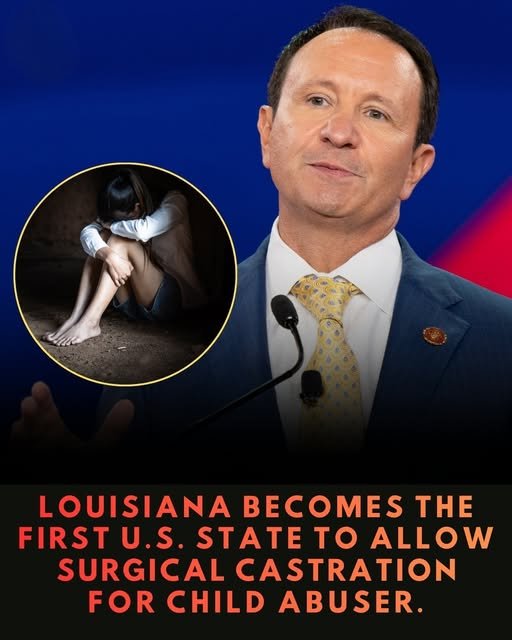
Louisiana has implemented a new law that is the first of its kind in the United States. Here is a breakdown of what the law does and the debate surrounding it.
The law, known as Act 651, requires surgical castration for people convicted of specific, severe sex crimes against children under the age of 13. This includes crimes like aggravated rape. If an offender refuses to undergo the procedure, they will face additional years in prison. The law also includes a step where the offender’s mental state is evaluated before the procedure is approved.
Why was this law passed? Supporters of the law believe it is a strong and necessary step to protect children. They argue that individuals who commit these terrible crimes are often repeat offenders, and this measure ensures they cannot physically commit the act again. For many, it is seen as the most definitive way to keep children safe from known predators.
However, the law is highly controversial and is expected to be challenged in court. Opponents say it is unconstitutional, arguing that it qualifies as “cruel and unusual punishment.” They also believe it is wrong for the state to force anyone to have a permanent surgical procedure against their will. Some experts also question whether this is the right approach, suggesting that therapy and psychological treatment might be more effective at addressing the root causes of sexual offending and preventing future crimes.
In summary, Louisiana has taken a historic and drastic step in its sentencing for child sex crimes. While some hail it as a bold move for child protection, others see it as a legally and ethically problematic overreach. The ultimate fate of the law will likely be decided after a series of court challenges.