The health of an aging loved one can sometimes change in an instant. A sudden episode of confusion, a momentary lapse in vision, or a slurred word can be the only outward sign of a serious internal event: a transient ischemic attack. Often referred to as a mini-stroke, a TIA is caused by a temporary clot that blocks blood flow to a part of the brain. The symptoms are identical to those of a major stroke but are short-lived, usually fading within an hour. This temporary nature is why TIAs are often missed or dismissed, yet they are one of the most important predictive warnings of a future, potentially devastating stroke.
Understanding the vulnerability that leads to a TIA is essential for prevention. The elderly are more susceptible due to age-related changes in blood vessels and a higher prevalence of chronic conditions. Arteries hardened by plaque from high cholesterol, vessels stressed by years of high blood pressure, and blood sugar imbalances from diabetes all create an environment where a clot can easily form and cause a blockage. Lifestyle plays a significant role, with smoking, a poor diet, and a lack of regular exercise being major contributing factors. Addressing these risks through consistent medical care and healthy habits is a proactive way to build a defense against cerebrovascular events.
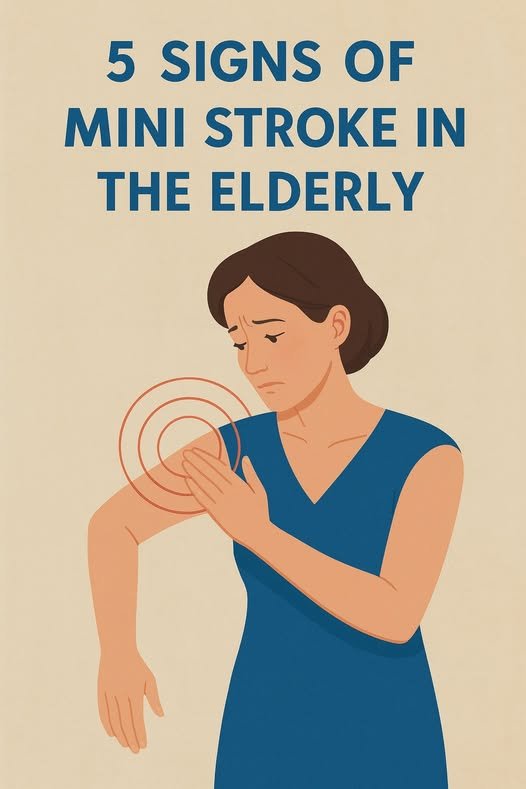
The ability to identify a TIA in the moment can save a life. The signs appear abruptly and without warning. Look for facial drooping, especially around the mouth, or an arm that drifts downward when the person tries to raise both arms. Listen for speech that is slurred or strange. Be aware of complaints about sudden vision loss or double vision. A TIA may also cause a severe, thunderclap headache or sudden vertigo and loss of coordination. It is a common and dangerous mistake to downplay these symptoms simply because they resolve. Every minute counts, and the clock starts ticking the moment the first symptom appears.
When a TIA is suspected, hesitation is the enemy. The only correct response is to immediately dial emergency services. Explain the symptoms clearly to the dispatcher so that first responders are prepared. In the hospital, a swift diagnosis can lead to interventions that dramatically reduce the risk of a subsequent major stroke. Treatment often focuses on antiplatelet medications, managing underlying health conditions, and recommending sustainable lifestyle modifications. Your prompt action does more than just address a medical crisis; it demonstrates a commitment to your loved one’s long-term health, helping to ensure their golden years are lived with vitality and independence.