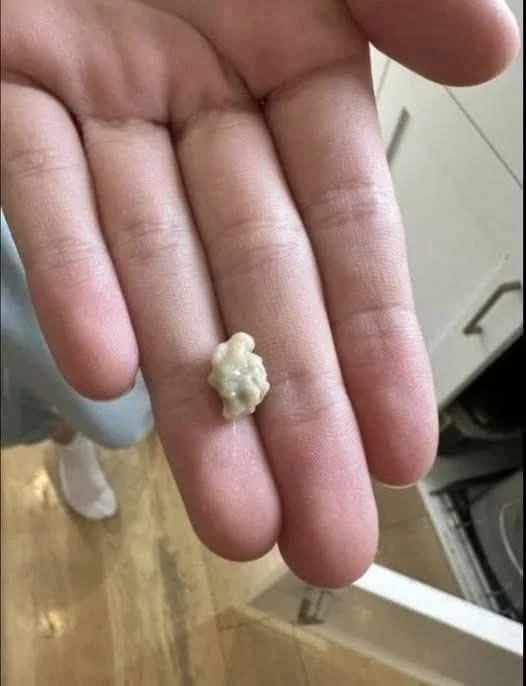
Scroll through social media or video platforms, and you might stumble upon an unexpected trend: tonsil stone removal. This niche has skyrocketed in popularity, joining the ranks of other satisfying medical videos like cyst drainings and blackhead extractions. For the uninitiated, tonsil stones are small, hardened formations that develop in the tonsils. Their removal has become a captivating spectacle for millions, turning a minor bodily occurrence into a major online talking point and revealing our collective fascination with the inner workings of the human body.
Our tonsils play a quiet but crucial role as part of the immune system’s defense network. They help produce infection-fighting cells and act as traps for pathogens. However, their structure includes small pockets known as crypts. Sometimes, these crypts collect more than just bacteria; they can accumulate debris like food particles, mucus, and dead cells. When this material concentrates and calcifies, it forms a tonsil stone. While often harmless, these stones can lead to discomfort, a persistent sore throat, or noticeable bad breath.
The online videos documenting their removal are where this biological fact becomes a cultural moment. Certain clips, demonstrating simple removal techniques, have achieved viral status with tens of millions of views. The appeal lies in a powerful combination of curiosity and catharsis. Watching a small, bothersome stone be dislodged provides a clear, immediate resolution—a miniature victory that viewers find deeply satisfying. It transforms a personal health nuance into a shared, visual experience.
This surge in interest does more than just entertain; it subtly educates. For many, these videos are their first introduction to the existence of tonsil stones. This incidental awareness can be empowering, helping individuals identify a cause for previously unexplained symptoms like a chronic tickle in the throat or metallic taste. In an indirect way, the trend promotes a form of bodily literacy, encouraging people to pay closer attention to signs from often-ignored areas like the tonsils.
The curious case of tonsil stone videos is a testament to the internet’s ability to spotlight the most obscure topics. What began as a minor health footnote has evolved into a widely recognized concept, all through the lens of viral content. While the videos cater to a specific taste, their impact is broader, fostering a strange but genuine dialogue about a common condition. It’s a reminder that even the smallest parts of our physiology can capture the public imagination in the digital age.