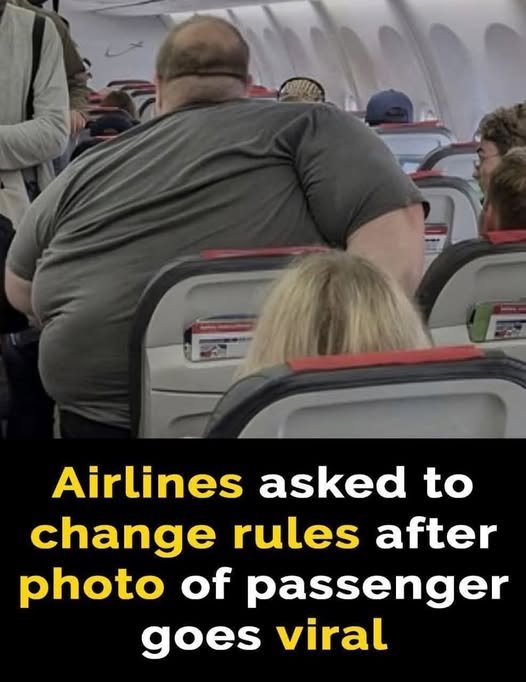
Flying can be an ordeal, marked by long lines, security checks, and the universal struggle for a sliver of personal space. A single photograph from a recent flight has managed to capture one of the most awkward and debated aspects of this experience, leading to a widespread call for airlines to reassess how they handle passenger size and seating. The image powerfully illustrates the discomfort experienced by a larger passenger and their seatmate, crammed into a standard airline seat.
The photo was amplified by celebrities who shared it with a call to action, demanding that airlines establish clear and compassionate policies for plus-sized travelers. Their statement highlighted the lack of a happy medium in current practices, pointing out that the situation is difficult and embarrassing for all parties involved. Their platform brought national attention to an issue many travelers have witnessed but rarely see addressed openly by the industry.
As the image circulated, social media became a battleground of conflicting opinions. A significant number of commenters expressed the view that space on a plane is a commodity; if a passenger needs two seats, they should pay for two seats. This perspective emphasizes personal responsibility and the operational costs for airlines, with some proposing direct measures like pre-flight weighing to determine seating needs.
However, a strong counter-narrative emerged, focusing on the industry’s role in creating the problem. Critics argue that airlines have consistently reduced seat pitch and width to maximize profits, making coach cabins uncomfortable for nearly everyone. From this viewpoint, the viral photo is less about an individual passenger and more about a systemic failure to provide reasonable space, suggesting that broader cabin redesigns would benefit all travelers.
The intense public discourse has undoubtedly put airlines on notice. While no major carrier has announced sweeping changes yet, the viral outcry demonstrates that passenger tolerance for discomfort is wearing thin. The debate transcends a simple policy question, touching on themes of fairness, empathy, and the quality of service in an industry where the customer experience often feels secondary to the bottom line.