Parenting rarely offers simple answers, especially when a child commits a serious act of cruelty. The core dilemma is how to respond in a way that corrects the behavior and fosters real emotional growth. A recent case of a father shaving his daughter’s head as punishment for bullying a cancer patient has become a flashpoint in discussions about justice, empathy, and parental authority.
The incident began with a schoolyard conflict rooted in typical teenage drama. The father’s daughter was involved in a heated argument with a female classmate undergoing chemotherapy. During the clash, insults were traded, but the daughter crossed a line by mocking the girl’s hair loss from medical treatment. Upon learning the full story, the father was horrified not only by the bullying but also by revelations about his daughter’s personal life that emerged from the argument.
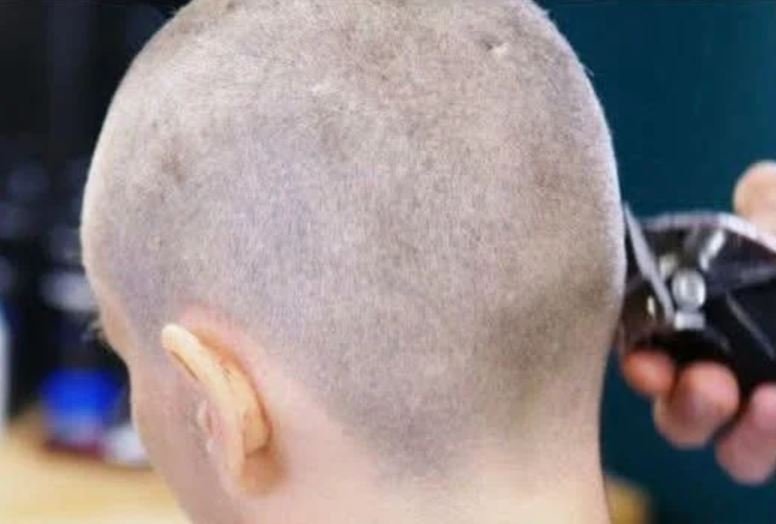
His chosen response was immediate and physical. By shaving his daughter’s head, he aimed to create a direct, tangible consequence. His stated goal was to make her walk, even temporarily, in the shoes of the person she had hurt, forcing a perspective she had refused to consider. He framed it not as an act of anger, but as a calculated lesson in empathy.
The public reaction has been sharply divided. Supporters applaud the father for holding his daughter accountable in a way they believe the school system might not, arguing that soft talks are ineffective against such severe bullying. They see it as a just form of poetic justice that she will remember forever.
Opponents, however, see a parent resorting to public shaming and an escalation of harm. They argue that modeling aggression or humiliation to stop bullying is contradictory and may teach the wrong lesson—that power justifies cruelty. This story ultimately leaves us questioning whether the punishment truly fits the crime or simply creates a new wound in its attempt to heal an old one.