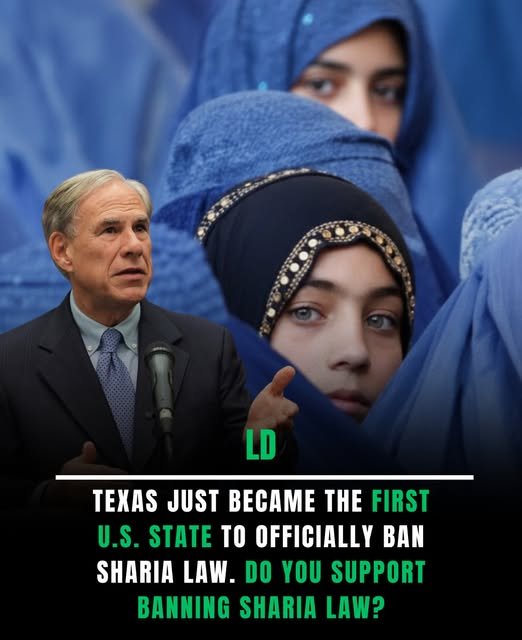
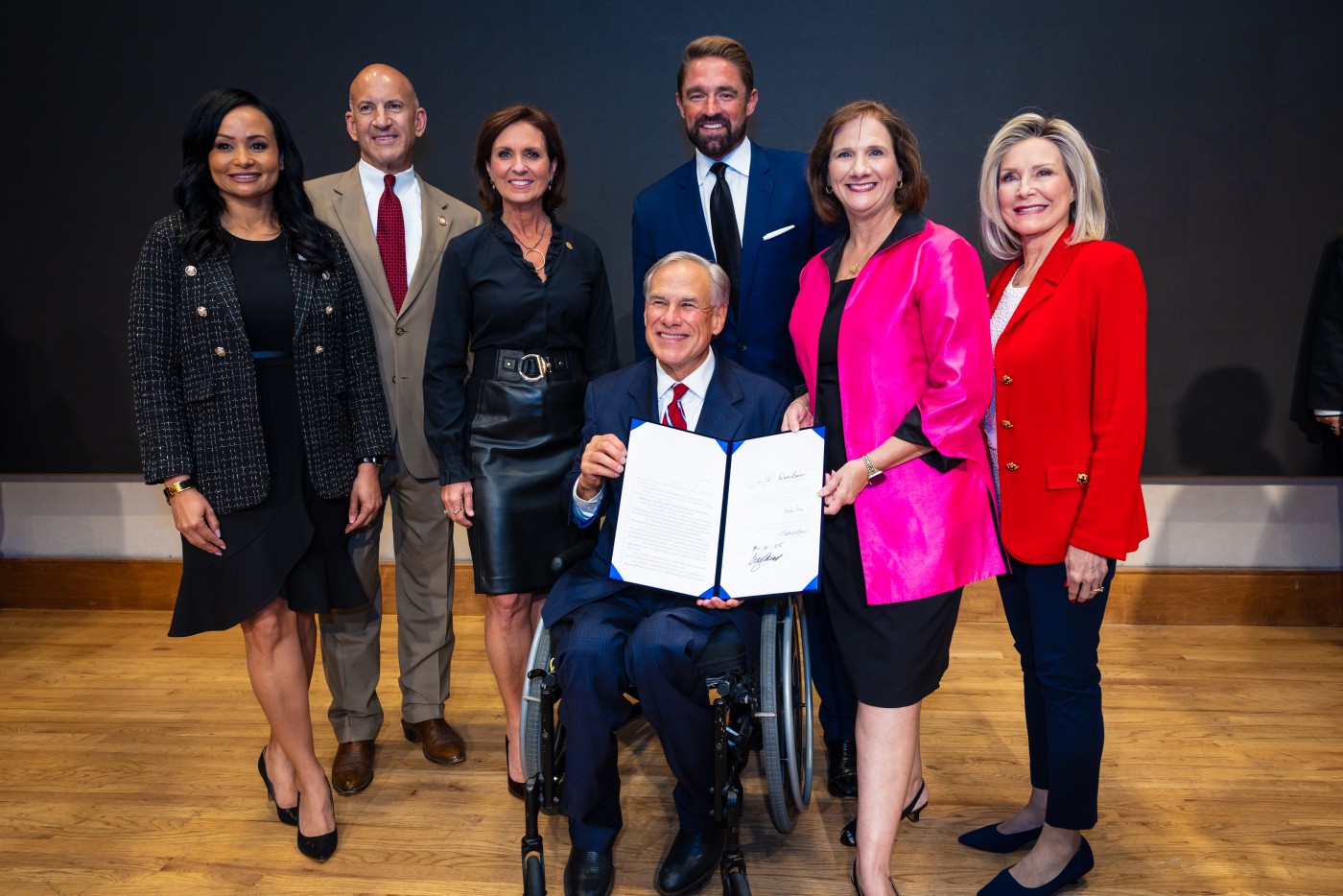
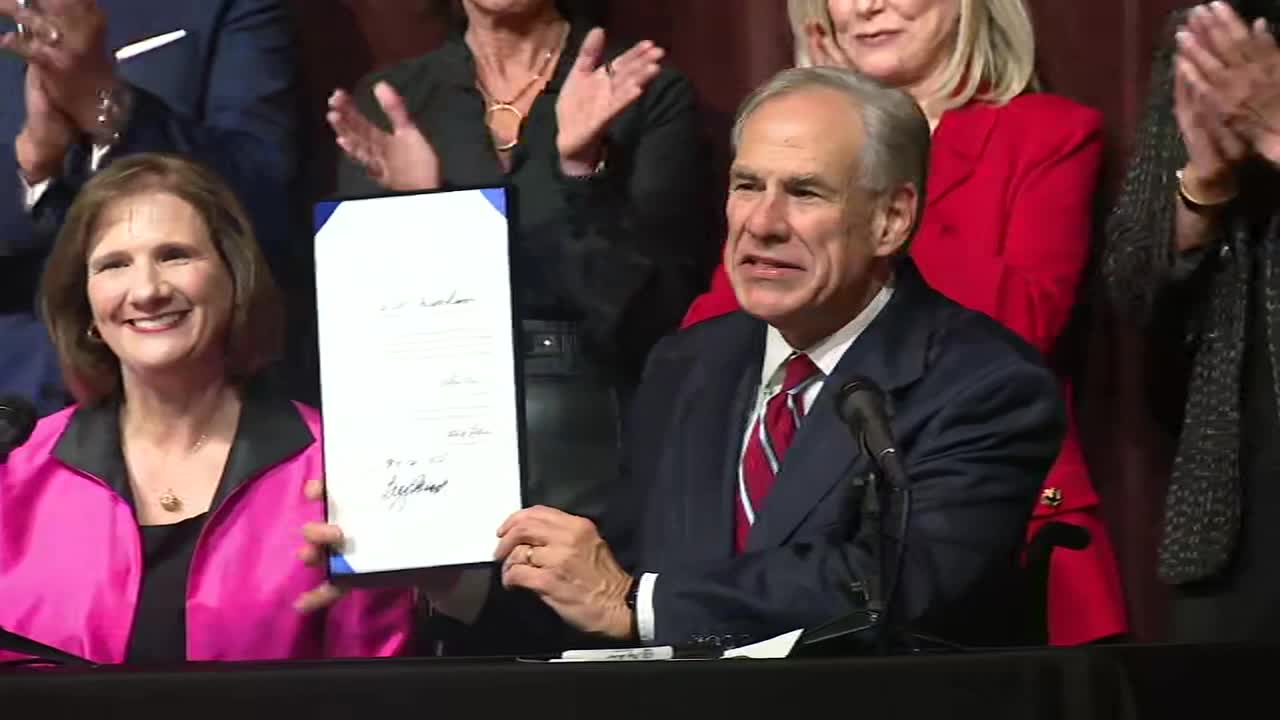
In a bold move that has captured national attention, Texas has passed legislation barring state courts from applying or considering any foreign or religious legal code. While framed broadly, the debate surrounding the law centers overwhelmingly on Sharia, the Islamic religious law. Supporters hail the measure as a safeguard for American jurisprudence, ensuring the Constitution remains the supreme legal authority. Detractors, however, view it as an unnecessary and discriminatory act that mischaracterizes the role of religious law and threatens the free exercise of religion for American Muslims. This law places Texas at the forefront of a complex conflict between cultural identity, legal uniformity, and religious liberty.
Proponents of the legislation argue from a position of legal preservation. They maintain that the foundational principle of American law is its secular nature, and the introduction of any alternative legal framework, religious or otherwise, risks creating a parallel system that could erode constitutional guarantees. Their argument extends beyond Islam, citing a general need to insulate the judiciary from non-democratic legal traditions. For these supporters, the law is a proactive defense, ensuring that in matters of divorce, child custody, or business contracts, every individual is subject to the same predictable, rights-based legal standards, with no room for doctrines that might conflict with American values of equality.
The criticism against the law is fierce and multifaceted. Legal scholars and civil rights groups point out that it addresses a non-existent crisis. U.S. courts have consistently held that while parties may agree to use religious principles in private arbitration, such agreements cannot compel courts to enforce terms that violate public policy or fundamental rights. The new law, they argue, is politically symbolic, casting a shadow of illegitimacy over the personal religious practices of Muslims. It risks alienating a community by legally implying their faith is inherently incompatible with American law, potentially discouraging them from seeking redress in state courts even for secular matters.
Central to the dispute is a profound disconnect in understanding what Sharia represents. For its adherents, it is primarily a guide for personal worship and ethical living. The law’s narrative, however, often conflates this with the harsh penal codes enacted by some foreign theocracies, a conflation that advocacy groups say fuels Islamophobia. By legislating based on this distorted perception, Texas has inserted the state into the realm of religious interpretation, deciding which aspects of religious practice are permissible in private legal agreements—a move critics say violates the spirit of religious neutrality required by the Constitution.
As legal challenges mount, the nation watches. The court’s review will scrutinize whether the state has a compelling interest strong enough to justify a law that many see as targeting a specific religion under a broad guise. The ruling will have implications far beyond Texas’s borders, influencing whether other states pursue similar legislation and defining the limits of state power to regulate the intersection of faith and private civil law. This is more than a legal technicality; it is a debate about what kind of pluralism America will practice and how it will protect minority faiths in an age of cultural polarization.