For many, a pet is family. So when this woman’s relationship ended, the loss of her shared home was compounded by the agonizing decision to leave her dog, Max, with her ex. She clung to the hope that he would be cared for. Months of restless searching later, she uncovered a nightmare: Max had been dumped at a kill shelter and was on the list to be euthanized at dawn. Official pleas were met with a bureaucratic wall—the shelter was closed, and policy was inflexible. Confronted with the ultimate deadline, she faced a moral crisis. To save a life, would she break the law?

The hours that followed were a masterclass in desperate focus. There was no time for second-guessing. As night fell, she approached the shelter, a place meant for refuge now representing a grave threat. The silence was oppressive. Forcing entry through a window, she moved quickly inside, her only guide the memory of her dog’s face. The kennels held a chorus of soft whines and barks, but she sought only one. And then she saw him. Max, confused but alert, pressed against the gate of his cage. The reunion was a silent, tearful burst of joy amidst the fear. She freed him, cradled him, and escaped back into the night, her mission accomplished but her future uncertain.

The inevitable fallout came quickly. The shelter reported the break-in, and the police had clear evidence. Knowing she could not outrun the consequences, she voluntarily surrendered to authorities three days later, Max faithfully beside her. She was charged with burglary and criminal mischief. In the courtroom, however, the narrative shifted from one of crime to one of ownership and wrongful taking. Her lawyer meticulously demonstrated that Max was hers, documented through years of veterinary visits and registration. The ex-boyfriend had committed theft by surrendering an animal that was not his to give.
The judge’s ruling was a victory for justice, if not for orderly conduct. The criminal charges against her were dropped, with the court recognizing the extenuating circumstances of wrongful surrender and imminent death. The ex-boyfriend was charged, and Max was legally restored to her. She was held financially responsible for the property damage, a penalty she accepted without complaint. The case highlighted a critical gap in shelter protocols—the failure to properly verify ownership before accepting an animal, a loophole that can lead to tragic outcomes.
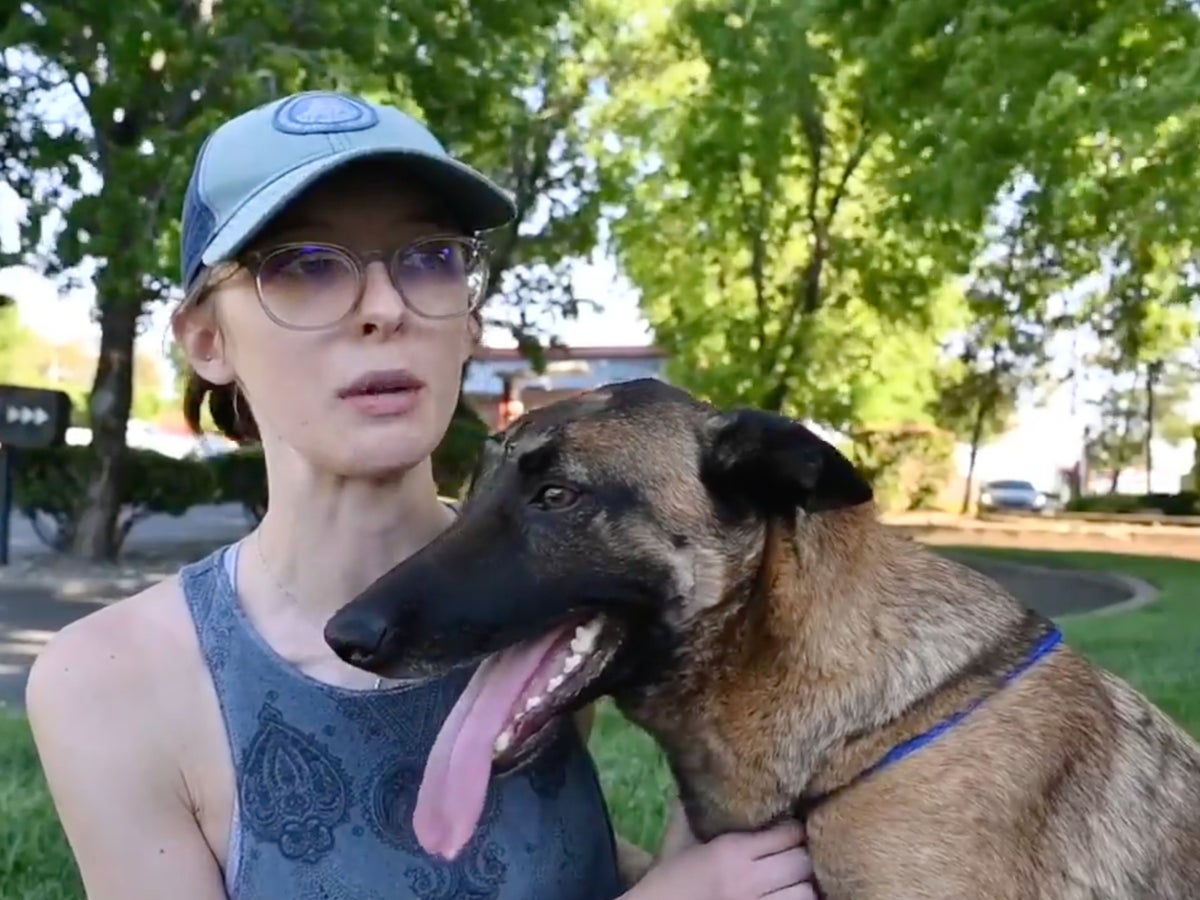
In the end, this story transcends a simple rescue. It is a provocative exploration of where our loyalties lie when institutions fail. The woman’s choice, while illegal, was rooted in a fundamental duty to protect a dependent family member from an unjust fate. Her actions, and the court’s eventual sympathy, underscore a powerful principle: that the spirit of the law sometimes must bend to the higher call of compassion and rightful ownership, sparking essential conversations about how we can build systems that protect both property and life.