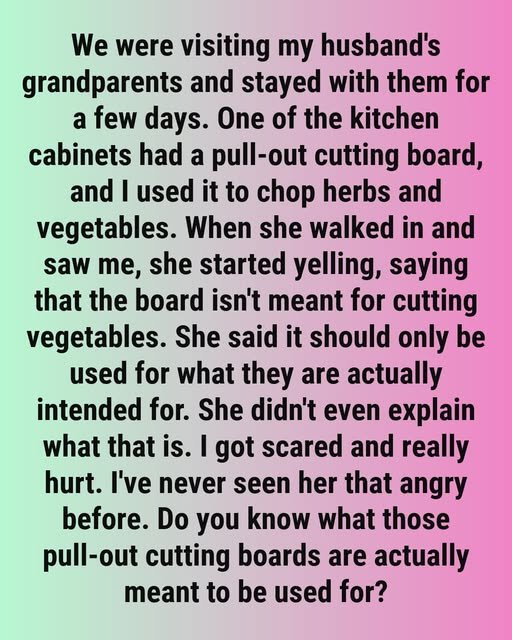
Slide out that wooden board from your kitchen cabinet. Go ahead, pull it all the way out. You likely see a practical surface for chopping, but what you’re actually looking at is a relic from a bygone era of home cooking, one with a very specific and delicious purpose. Contrary to its modern use, this feature was not installed to be a cutting board. It was designed as a dedicated baking station, a vital tool for an era when the smell of homemade bread was a weekly occurrence in family kitchens. This was the original dough board, a testament to a time when baking was a hands-on, essential life skill.
In its heyday, this board was the command center for baking day. Its solid wood construction provided the perfect slightly porous surface that dough wouldn’t easily stick to, and its strength could handle the vigorous kneading necessary to make a light and airy loaf. The pull-out mechanism was a stroke of genius for kitchen management. It created a temporary, dedicated workstation that, once the loaves were set to rise, could be cleaned and disappeared, freeing up the kitchen for other tasks. It was the perfect marriage of function and space-saving design.
As the 20th century progressed, the custom of weekly home baking began to fade, but the board remained. Its sturdy, convenient design made it the ideal spot for all manner of food preparation, and so its identity slowly shifted from a specialist’s tool to a generalist’s helper. In our current time, we are spoiled for choice with cutting boards made from every material imaginable, yet wood retains a special place. Hardwoods like maple are unparalleled for their ability to withstand daily use without dulling expensive knives, all while offering natural sanitary benefits.
The longevity of a wooden board, whether built-in or freestanding, depends on mindful care. It should never be soaked in water or put in the dishwasher. Instead, a quick wash with mild soap and warm water, followed by thorough drying, is the best practice. To maintain its luster and prevent cracking, a food-safe oil should be applied every few weeks. This simple maintenance ritual is a nod to the stewardship of kitchen tools that was second nature to previous generations.
Today, as a new generation discovers the joys of sourdough and artisan baking, the pull-out board is experiencing a renaissance of its original intent. People are seeking out these old features or buying freestanding versions for the very same reason they were first created. So, the next time that board slides out, see it for what it truly is: a direct connection to the timeless tradition of baking. It’s a piece of kitchen history that continues to serve, reminding us that the best tools are often the simplest, and that some traditions are always worth bringing back to life.