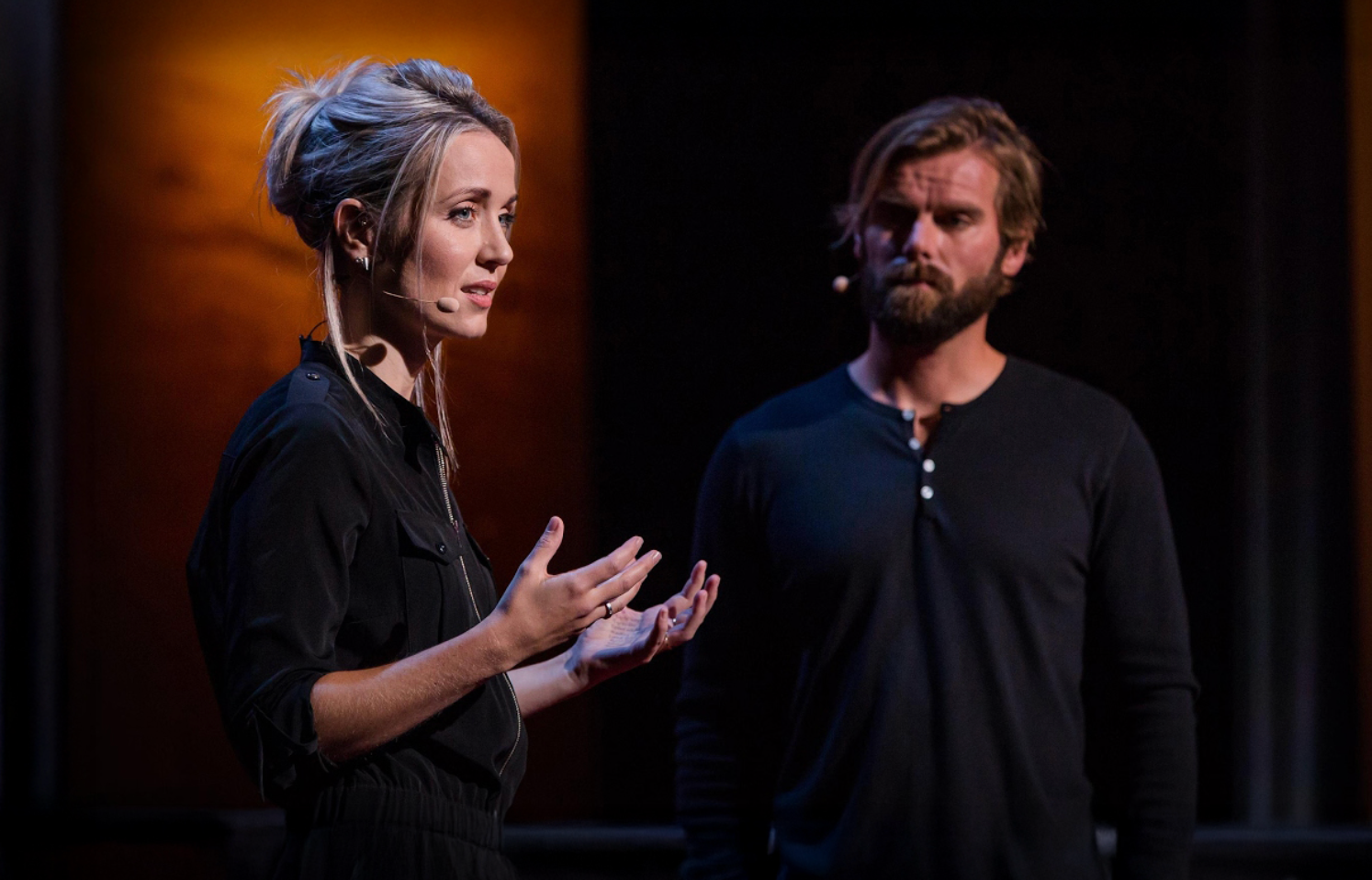
The narrative of sexual assault is often presented as a monologue—a survivor’s story, told alone. Thordis Elva and Tom Stranger have chosen a different form: a difficult, shared dialogue. Standing together, they recount the details of the rape that occurred when Tom was 18 and Thordis was 16. They are explicit that their joint appearance does not condone his actions or suggest a universal path to healing. Instead, it represents a rare and deliberate attempt to explore the full spectrum of aftermath: the survivor’s struggle for self-compassion and the perpetrator’s struggle for self-truth.

Thordis’s path was obstructed by the weight of internalized blame. For years, she accepted society’s implicit questions about her role in the violence, which delayed her recognition of the simple, brutal fact that she was not at fault. Finding her voice meant rejecting those false burdens and claiming the right to her own narrative. She speaks now with the understanding that her public voice is a form of privilege, and she feels a duty to use it to amplify issues that are too often shrouded in shame and secrecy.

Tom’s account is a map of evasion and, eventually, confrontation. He detailed a “decade of denial,” a period where he reframed the assault to protect his self-image. The pivotal shift came when he stopped making excuses and admitted he had acted from a place of male entitlement, making a series of choices that violated another person. His portion of the talk is a stark lesson in the difference between being sorry for the consequences and taking unambiguous responsibility for the cause.
Their reconnection was initiated by a letter from Thordis, written from a place of nine years of accumulated pain. Tom’s reply, which took full ownership of his actions, began an eight-year correspondence that served as a cautious container for their pain and honesty. This led to a planned meeting in South Africa, a neutral ground where they could see each other for the first time since the assault and continue their conversation face-to-face, an act of immense emotional risk for both.

In sharing their story, Thordis and Tom aim to foster more nuanced conversations about sexual violence. They have co-authored a book not to provide a happy ending, but to document the grueling, non-linear process of facing irreversible harm. Their collaboration underscores a crucial point: addressing sexual violence requires honest engagement from all parties involved, and a societal willingness to sit with the discomfort of complex, painful truths. Their shared stage is a powerful symbol that sometimes, the road to any form of understanding is paved with words spoken directly into the heart of the wound.