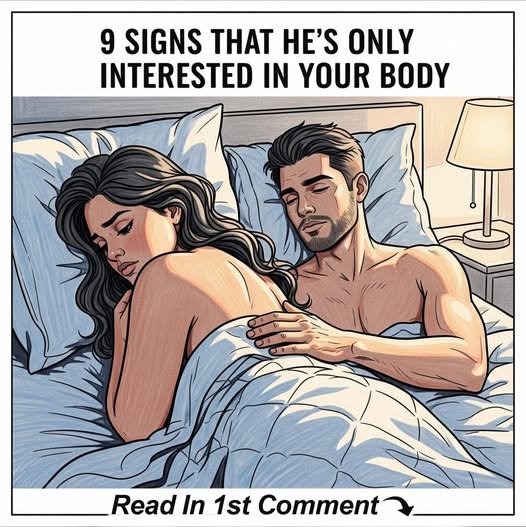
From a psychological perspective, relationships based solely on physical attraction exhibit distinct behavioral patterns that differ significantly from those built on emotional intimacy. Understanding these patterns can help individuals make more conscious choices about their romantic engagements and protect their emotional well-being.
A primary characteristic is the avoidance of vulnerability. According to attachment theory, individuals seeking to avoid emotional intimacy often use physical connection as a substitute. They may engage in “pseudo-intimacy,” where physical closeness creates an illusion of bonding without the risk of true emotional exposure. You might notice he shares very little about his own fears, hopes, or past struggles, and deflects when you attempt to do the same.
Another key pattern is the lack of “cognitive interdependence.” In committed relationships, partners begin to think in terms of “we” rather than “I.” A man with purely physical intentions will maintain a rigid self-focus. This manifests in a failure to consider you in his future plans, an unwillingness to integrate you into his social identity, and communication that serves his immediate needs rather than mutual growth.
The interaction style is also telling. These connections are often marked by what psychologists call “low-effort” engagement. Conversations remain on superficial topics, dates require minimal planning, and there is little investment in the partner’s external life (e.g., career, friendships, family). This is because the goal is maintenance of a simple, undemanding dynamic, not the complex work of building a shared life.
Recognizing these patterns is not about assigning blame, but about fostering self-awareness. If you identify these dynamics, it indicates a fundamental mismatch in relational goals. Choosing to step away is an act of self-respect, allowing you to redirect your energy toward connections that offer reciprocal emotional depth and genuine partnership.