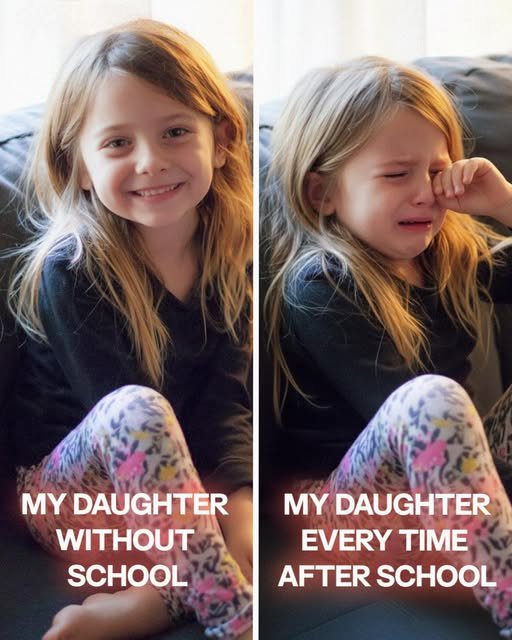
The case of a first-grader emotionally abused by a substitute teacher reveals critical gaps in our educational safeguarding systems. While schools conduct criminal background checks, this incident demonstrates how personal histories and unresolved conflicts can enter classrooms through unexpected avenues, with children caught in the crossfire.
The substitute teacher in question wasn’t merely employing poor classroom management techniques; she was engaging in targeted psychological abuse rooted in a decade-old personal grudge against the child’s mother. This situation highlights the need for greater awareness of how teachers’ personal biases and histories can impact their professional conduct, particularly in substitute teaching positions that may involve less oversight.
The mother’s use of a recording device, while ethically complex, provided irrefutable evidence of the abuse. Without this documentation, the child’s symptoms might have been misattributed to separation anxiety or other common childhood challenges. This case raises important questions about how schools can create more transparent environments where concerns about teacher conduct can be properly investigated.
The school’s response—immediate dismissal and student support—represents an appropriate institutional reaction. However, preventing such situations requires proactive measures, including better monitoring of substitute teachers and systems that encourage children to report mistreatment. This incident serves as a sobering reminder that our safeguarding policies must address not just physical safety but emotional wellbeing, recognizing that the most damaging threats to children sometimes come from unexpected sources within trusted institutions.