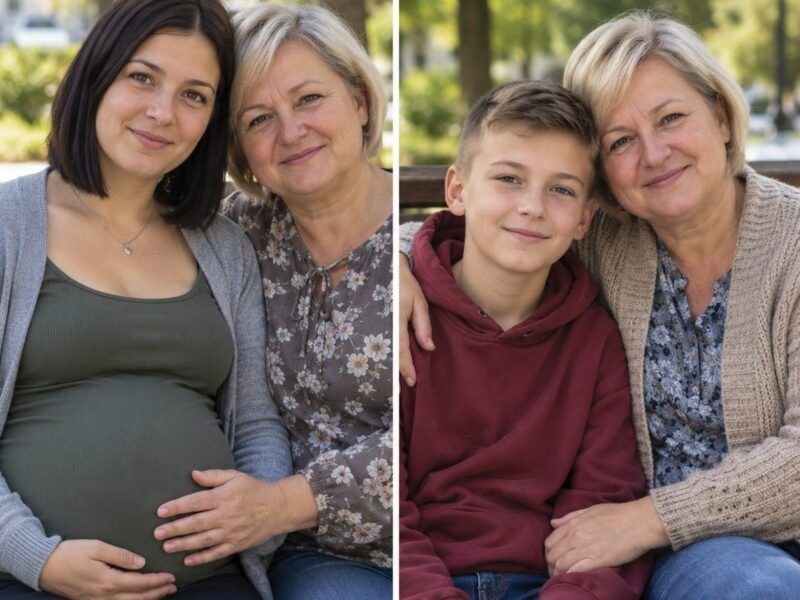
Loss has a way of bringing hidden truths to the surface. This was made vividly clear to me when I received a phone call from my late friend’s son. The day after her service, he was going through her personal effects and found a letter that prompted a significant emotional breakthrough. The letter was addressed to me, but its contents, and what he discovered alongside it, held a powerful message meant primarily for him.
The letter was a heartfelt expression of gratitude. My friend wrote to thank me for the emotional support and stability I had provided during her most challenging times. She wanted me to know that this comfort was more valuable to her than any material inheritance. While her son was initially caught off guard by this personal message, it was the other items in the box that truly shifted his perspective. He found notes and paperwork indicating his mother had once intended to create a financial trust for him, a plan she never completed.
This discovery was not a cause for resentment, but for revelation. The unfinished trust became a symbolic representation of the gap between our intentions and our actions. His mother had ultimately chosen to focus on the difficult, emotional work of repairing their relationship rather than on a financial gesture. In her final days, her priority was their connection, not their contract. The son was now faced with the full, poignant weight of her choice and her unvoiced regrets.
During our conversation, I practiced active listening, allowing him the space to process this complex flood of emotions. When he was ready, I reframed the situation for him. I explained that his mother’s letter to me was not a slight against him, but an independent act of kindness. Her true, overarching message was about the fleeting nature of life and the critical importance of being present for our loved ones while we still can. The real inheritance was this moment of clarity.
The experience served as a profound lesson in emotional legacy. We often think of inheritance in tangible terms, but the most enduring bequests are often insights that change how we live. My friend left her son a gift far greater than a trust fund: the wisdom to see that compassion is the most valuable currency, and that the time to act on our love is always now. This epiphany, though born of grief, was the most needed gift of all.