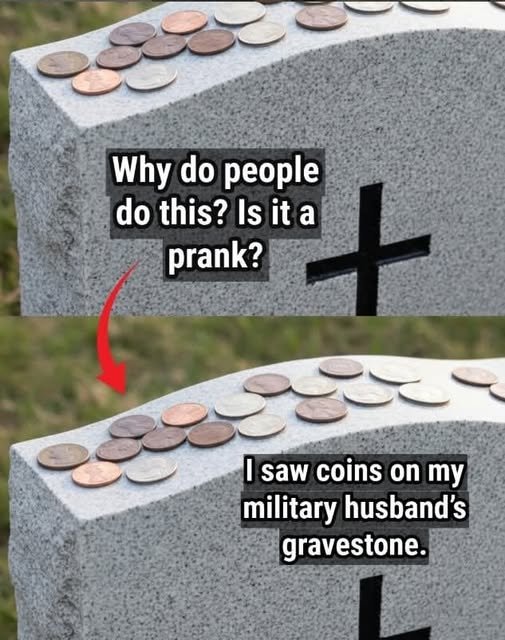
The practice of leaving coins on gravestones, particularly those of military service members, is a tradition rich with meaning and specific etiquette. Understanding this silent code provides a deeper appreciation for the gestures of respect we may witness in a national cemetery. It is a non-verbal language of honor, with each coin denomination communicating a distinct message about the relationship between the visitor and the fallen.
The tradition is widely understood to have gained prominence during the Vietnam War. Servicemen began leaving coins as a discreet way to inform a deceased soldier’s family that someone who served with them had visited the grave. This was especially important during a politically charged time when public displays related to the war could be contentious. The coin was a way to pay respects without a potentially difficult encounter with the family, while still marking their meaningful visit.
The specific meaning behind each coin is a key part of this etiquette. The system is as follows: A penny left on the stone simply means that someone, whether a fellow veteran or a civilian, has visited to pay their respects. A nickel indicates that the visitor and the deceased completed their basic training, or “boot camp,” together. A dime signifies that the two individuals served together in the same unit during their time in the military.
The most significant coin is a quarter. Leaving a quarter on a headstone carries the heaviest meaning: it signifies that the visitor was physically present with the service member when they were killed in action. This token is the ultimate symbol of brotherhood and a shared, traumatic experience, a silent testament to a bond forged in the most difficult circumstances.
These coins are typically collected by cemetery staff during regular maintenance. The funds are not treated as lost change; they are put toward a noble cause, such as the upkeep of the cemetery, the cost of burial for indigent veterans, or other programs that support veterans and their families. Thus, the gesture serves a dual purpose: it honors an individual’s memory while contributing to the collective care of the veteran community, ensuring that every coin continues to serve long after it is placed.