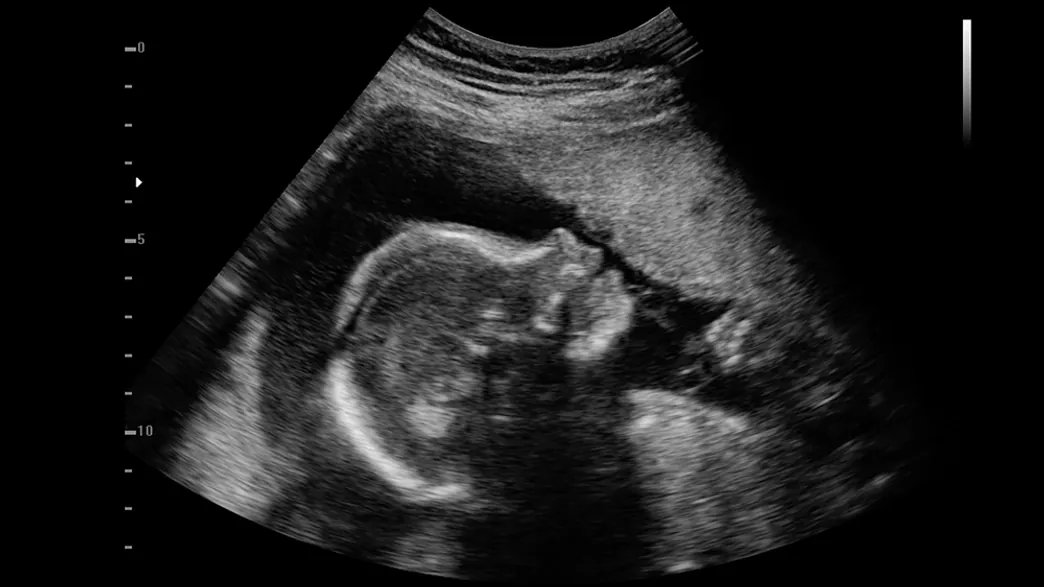
1. Early Brain Development Differences
Recent scientific research increasingly focuses on early brain development as a potential contributing factor to autism. Researchers have observed that in some individuals, brain growth patterns during prenatal stages and early childhood differ from typical developmental trajectories. These differences may influence how neural connections form, how information is processed, and how sensory input is interpreted.
Rather than identifying a single abnormality, scientists emphasize that subtle variations in timing, structure, and connectivity can collectively shape neurodevelopment. Certain regions of the brain responsible for communication, emotional regulation, and sensory integration may develop at different rates. These variations are not inherently negative, but they can contribute to characteristics commonly associated with autism.
Importantly, researchers stress that these findings do not suggest damage or deficiency. Instead, they point to diversity in neurological development. The growing understanding of early brain development helps scientists move away from oversimplified explanations and toward a more nuanced view of autism as a complex neurodevelopmental condition influenced by multiple factors working together.
This line of research also highlights the importance of early observation and supportive environments. By understanding how brain development differs, professionals can better tailor early interventions that support learning, communication, and overall well-being.
2. Genetic Influences and Inherited Traits
Genetics has long been considered a significant factor in autism research, and recent studies continue to reinforce this perspective. Scientists have identified numerous genes associated with neurodevelopment that may contribute to autism-related traits. Rather than a single “autism gene,” research suggests a combination of genetic variations can increase the likelihood of certain developmental patterns.
These genetic influences may affect how brain cells communicate, how neural pathways are formed, or how the brain responds to environmental input. In some cases, inherited traits may subtly shape cognitive processing, sensory sensitivity, or social interaction styles from early life.
Researchers emphasize that genetic predisposition does not mean inevitability. Many individuals with similar genetic markers may develop differently depending on environmental conditions, early support, and individual resilience. Genetics provides a foundation, but it interacts continuously with external influences throughout development.
Understanding genetic contributions allows scientists to shift the conversation from blame or speculation toward informed awareness. This knowledge supports families, educators, and healthcare professionals in recognizing autism as a naturally occurring variation within human neurodiversity.
3. Prenatal Environmental Factors
Another area of scientific focus involves prenatal environmental factors that may influence neurodevelopment. Researchers are examining how conditions during pregnancy—such as maternal health, nutrition, and exposure to certain environmental elements—may interact with genetic predispositions.
Studies suggest that prenatal environments play a role in shaping how the developing brain responds to growth signals. This does not imply direct causation, but rather a complex interaction between biological systems and environmental conditions. Factors such as inflammation, stress regulation, and metabolic balance during pregnancy are being explored for their potential influence on early brain organization.
Scientists are careful to present these findings responsibly, emphasizing that pregnancy-related factors are only one piece of a much larger puzzle. The goal is not to assign fault, but to better understand how supportive prenatal care can contribute to healthier developmental outcomes.
This growing body of research underscores the importance of accessible healthcare, education, and prenatal support systems, which benefit both parents and children regardless of neurodevelopmental outcomes.
4. Differences in Neural Connectivity
Modern imaging technologies have allowed researchers to study how different regions of the brain communicate with one another. Some studies suggest that individuals on the autism spectrum may exhibit unique patterns of neural connectivity, meaning certain brain regions may communicate more intensely or differently than average.
These connectivity patterns can influence how information is processed, how attention is directed, and how sensory input is interpreted. Rather than being viewed as a limitation, many scientists now frame these differences as alternative cognitive pathways that offer both challenges and strengths.
This perspective has contributed to a broader understanding of autism as a difference in information processing rather than a disorder defined solely by deficits. Some individuals may experience heightened focus, deep analytical thinking, or exceptional pattern recognition as a result of these neural variations.
By studying neural connectivity, researchers aim to improve personalized support strategies that align with individual cognitive styles. This approach promotes inclusion, respect, and practical support rather than one-size-fits-all assumptions.
5. The Role of Early Sensory Processing
Sensory processing differences are commonly observed in individuals on the autism spectrum, and scientists are exploring how early sensory experiences may shape neurological development. Research suggests that heightened or reduced sensitivity to sound, light, touch, or movement may influence how the brain organizes information from the environment.
During early childhood, the brain rapidly adapts to sensory input. If sensory signals are processed differently, this can affect attention, emotional regulation, and social interaction. These differences are not inherently harmful, but they may require tailored environments to support comfort and learning.
Scientists emphasize that sensory processing differences often appear early in development, reinforcing the idea that autism-related traits emerge from neurological variation rather than later life influences. Understanding sensory processing helps caregivers and educators create environments that reduce stress and enhance engagement.
This area of research continues to promote empathy and practical solutions, encouraging society to accommodate diverse sensory needs rather than forcing uniform expectations.
6. The Role of Early Brain Development Timing
One important area scientists are closely examining is the timing of early brain development and how small disruptions during critical growth windows may influence autism traits. Research suggests that the human brain develops in carefully coordinated stages before and shortly after birth. Even minor changes in how brain cells migrate, connect, or organize themselves during these stages can have lasting effects on communication, behavior, and sensory processing.
Scientists emphasize that this does not mean something “went wrong” in a simple or isolated way. Instead, autism appears to be linked to differences in how neural networks form and communicate. These differences may begin very early, often before behavioral signs are noticeable. The idea that timing matters helps explain why autism is considered a developmental condition rather than something that suddenly appears later in life.
Studies using advanced imaging and genetic analysis show that certain developmental pathways may activate earlier or later than expected. This altered timing can influence how brain regions connect with one another. Researchers believe this may contribute to the unique strengths and challenges often seen in autistic individuals, such as deep focus, sensory sensitivity, or different communication styles.
Importantly, scientists stress that variations in brain development are a natural part of human diversity. The focus of research is not to label differences as defects, but to better understand how early developmental processes shape neurological outcomes. This understanding may eventually help improve early support strategies and individualized care.
7. Influence of the Immune System During Development
Another area gaining attention is the interaction between the developing brain and the immune system. Scientists have found that immune responses play an important role in early development, including how brain cells grow and connect. When the immune system is activated in certain ways during key developmental periods, it may influence neural pathways related to communication and behavior.
Research does not suggest that immune activity alone causes autism. Instead, it may be one contributing factor among many. Scientists are studying how genetic susceptibility combined with specific immune responses could influence developmental outcomes. This balanced approach helps avoid oversimplification while still exploring meaningful biological mechanisms.
Some studies indicate that immune signaling molecules help guide brain development under normal conditions. When these signals vary in intensity or timing, they may subtly affect how neural circuits form. These differences are not inherently harmful, but they may contribute to the diverse neurological profiles observed across individuals.
Researchers emphasize that immune system involvement does not imply illness or fault. It highlights how interconnected body systems are during development. Understanding this connection may lead to more supportive healthcare approaches that consider both neurological and overall developmental health.
8. Genetic Variations That Affect Neural Communication
Scientists have identified numerous genetic variations associated with autism, many of which influence how brain cells communicate. Rather than pointing to a single gene, research shows that multiple genes working together shape neural development. These genes often affect synapses, which are the connections that allow brain cells to send and receive signals.
This discovery helps explain why autism presents differently in each individual. Genetic combinations can influence communication patterns, sensory processing, and learning styles in unique ways. Scientists stress that these genetic differences are not rare or abnormal; many are found throughout the general population but may interact differently in autistic individuals.
Modern research tools have allowed scientists to study how these genetic variations influence brain function rather than focusing solely on behavior. This shift has helped reframe autism as a neurological difference rather than a disorder defined only by external traits. It also supports the idea that autism is part of natural human diversity.
Understanding genetic contributions may eventually support earlier identification and more personalized support strategies. Researchers consistently emphasize that genetics influence tendencies, not destinies, and that environment, learning, and support all play critical roles in development.
9. Environmental Factors as Possible Contributors
Scientists also study how certain environmental factors may interact with genetic predispositions during early development. These factors are not considered direct causes, but rather influences that may shape developmental pathways in subtle ways. Research focuses on how environment and biology work together rather than in opposition.
Environmental influences can include nutrition, stress levels, and exposure to everyday substances during key developmental periods. Scientists approach this topic carefully, ensuring that findings are evidence-based and responsibly communicated. The goal is understanding, not blame or fear.
What research increasingly shows is that environmental factors rarely act alone. Instead, they may interact with genetic and biological processes already in place. This interaction model helps explain why similar environments can lead to different outcomes in different individuals.
Researchers stress that understanding environmental influences can help improve public health guidance and early developmental support. It does not mean that everyday experiences are dangerous, but rather that informed, balanced approaches benefit overall developmental well-being.
10. Differences in Sensory Processing Pathways
Sensory processing differences are a well-recognized aspect of autism, and scientists are now studying how these differences may originate in early brain development. Sensory pathways help the brain interpret sound, light, touch, and movement. Variations in how these pathways develop may shape how individuals experience and respond to the world.
Research suggests that autistic individuals may process sensory input more intensely or differently, not because of impairment, but due to variations in neural signaling. These differences can influence attention, comfort levels, and interaction styles. Scientists emphasize that sensory sensitivity can also come with heightened awareness and unique strengths.
Understanding sensory processing pathways helps shift the narrative away from deficit-focused explanations. Instead, it highlights how diverse neurological wiring leads to different ways of experiencing reality. This perspective supports inclusive environments that accommodate sensory needs rather than trying to eliminate differences.
By studying sensory pathways, scientists aim to improve support strategies that respect individual experiences. This research reinforces the idea that autism reflects neurological diversity shaped by complex biological processes rather than a single identifiable cause.
11. The Role of Early Brain Development Timing
One of the most consistently discussed areas in autism research focuses on timing during early brain development. Scientists suggest that autism may not arise from a single event, but rather from subtle changes occurring during critical windows of brain formation. During pregnancy and early infancy, the brain undergoes rapid growth, forming billions of neural connections that influence communication, sensory processing, and social behavior.
Research indicates that when this delicate timing is altered—due to genetic variations, biological signals, or environmental influences—the structure and function of neural networks may develop differently. This does not imply damage or deficiency, but rather variation in neurological wiring, which may contribute to traits associated with autism.
Scientists emphasize that these timing differences may affect how brain regions communicate with each other, potentially explaining differences in information processing, sensory sensitivity, or social interaction. Importantly, this research highlights autism as a developmental difference, not a disease or condition caused by a single harmful factor.
Understanding brain development timing helps researchers move away from oversimplified explanations and toward a more accurate, respectful understanding of neurodiversity. It reinforces the idea that autism is rooted in early development, long before behavioral traits become noticeable.
12. Synaptic Connectivity Differences in the Brain
Another area scientists are examining closely involves synaptic connectivity, which refers to how neurons communicate with each other through connections called synapses. Research suggests that in some individuals with autism, synaptic connections may be formed, maintained, or pruned differently during development.
Typically, the brain strengthens frequently used connections and removes those that are less active. Some studies suggest that this process may follow a different pattern in autistic individuals, leading to either increased or reduced connectivity in certain brain regions. These differences may influence how information is processed, stored, and responded to.
Importantly, researchers stress that these variations are not inherently negative. In fact, altered connectivity may contribute to strengths often seen in autistic individuals, such as strong attention to detail, deep focus, or unique problem-solving approaches.
By studying synaptic connectivity, scientists are gaining insight into how autism develops at the neurological level without framing it as something that needs to be “fixed.” This approach supports more inclusive, supportive strategies rather than simplistic cause-and-effect narratives.
13. Influence of Maternal Immune Responses
Some scientific studies explore how maternal immune responses during pregnancy may be associated with autism development. This research does not suggest blame or fault, but rather examines how natural immune processes may interact with fetal brain development under certain circumstances.
Researchers have observed that immune signaling molecules play a role in shaping early neural pathways. In some cases, heightened immune activity during specific developmental stages may influence how neural circuits form. These findings are complex and vary widely, emphasizing that no single immune response causes autism on its own.
Scientists are careful to note that pregnancy involves countless biological processes, most of which occur safely and naturally. The goal of this research is to understand biological interactions—not to assign responsibility or create fear.
This line of study contributes to a broader understanding of how prenatal biology may influence neurodevelopment, reinforcing the idea that autism emerges from multiple interacting factors, rather than a single cause.
14. Genetic Variations and Neurodevelopmental Diversity
Genetics remains one of the most significant areas of autism research. Rather than identifying a single “autism gene,” scientists have found hundreds of genetic variations that may contribute to autistic traits. These variations are often involved in brain development, synaptic signaling, and neural organization.
Importantly, many of these genetic differences are also found in people without autism, highlighting that genetics influence traits along a spectrum. Autism appears to arise when certain combinations of genetic variations interact in specific ways.
This understanding shifts the conversation from searching for a single cause to recognizing autism as part of natural human neurological diversity. Genetic research also explains why autism often runs in families, while still appearing differently in each individual.
By framing genetics as variation rather than defect, scientists promote a more accurate and respectful understanding of autism, one that supports acceptance alongside scientific exploration.
15. The Gut-Brain Communication Pathway
Another emerging area of research focuses on the gut-brain connection, which refers to the communication between the digestive system and the nervous system. Scientists have observed that the gut produces signaling molecules that interact with the brain, influencing mood, behavior, and sensory processing.
Some studies suggest that differences in gut microbiota may be associated with certain autistic traits. However, researchers emphasize that this relationship is complex and not fully understood. These findings do not suggest a direct cause, but rather a possible contributing factor within a broader biological system.
The gut-brain pathway highlights how interconnected the body’s systems are, reinforcing that neurodevelopment is influenced by multiple biological processes working together.
This research is still developing and is approached cautiously to avoid oversimplification. It contributes to a more holistic understanding of autism without making unsupported claims.
16. Environmental Influences and Biological Sensitivity
Scientists also examine how environmental factors may interact with biological sensitivity during development. This does not imply that everyday environments cause autism, but rather that certain individuals may respond differently to external stimuli due to underlying genetic and neurological factors.
Research suggests that biological sensitivity varies among individuals, influencing how environmental signals are processed during development. These interactions may shape sensory perception, learning styles, and communication patterns.
Importantly, researchers stress that autism is not caused by modern lifestyles or parenting choices. Environmental research aims to understand how biology and surroundings interact—not to assign blame.
This perspective reinforces autism as a complex developmental outcome shaped by multiple subtle influences over time.
17. Brain Network Specialization Differences
Studies using advanced imaging techniques suggest that autistic brains may show differences in network specialization, meaning certain regions may be more strongly developed for specific tasks. This can result in strengths in areas such as memory, pattern recognition, or focused attention.
Rather than viewing these differences as limitations, scientists increasingly recognize them as alternative neurological strategies. Brain specialization differences may explain why autistic individuals often excel in particular fields or tasks.
This research supports the idea that autism involves diverse cognitive profiles, each with unique strengths and challenges.
Understanding brain specialization helps shift public perception from deficit-based thinking toward appreciation of neurological diversity.
18. The Importance of Developmental Pathways, Not Single Triggers
A key realization in autism research is that no single trigger explains autism. Scientists emphasize developmental pathways—long chains of interacting factors that influence brain development over time.
These pathways may include genetics, prenatal biology, neural connectivity, and environmental interactions working together in complex ways. Autism emerges as a result of these combined influences, not from one isolated cause.
This understanding helps reduce misinformation and fear, replacing simplistic explanations with accurate, science-based perspectives.
It also underscores why autism presents so differently from one individual to another.
19. Moving Away from Myths Toward Evidence-Based Understanding
Modern research aims to correct long-standing myths about autism by grounding discussions in evidence. Scientists stress that autism is not caused by parenting style, upbringing, or personal choices.
By focusing on biology and development, researchers provide clarity while encouraging empathy and inclusion. This shift supports better educational strategies, workplace accommodations, and social understanding.
Evidence-based approaches help families, educators, and communities support autistic individuals more effectively.
This movement represents progress toward a more informed and compassionate society.
20. What This Research Really Means for the Future
The most important takeaway from autism research is not identifying a single cause, but improving support, understanding, and acceptance. Scientific discoveries help tailor educational methods, healthcare support, and social inclusion strategies.
Researchers emphasize that autism does not need to be eliminated—it needs to be understood. The goal is to help individuals thrive according to their unique neurological profiles.
This perspective ensures that scientific progress benefits real lives rather than fueling fear or misunderstanding.
Strong Conclusion
Scientific research into autism continues to reveal a nuanced and deeply interconnected picture of human neurodevelopment. Rather than uncovering one definitive cause, scientists are identifying patterns, pathways, and biological variations that contribute to how autistic traits develop. These findings challenge outdated myths and simplistic explanations, replacing them with evidence-based understanding rooted in biology, timing, and neurological diversity.
Autism is increasingly recognized not as a disorder caused by a single factor, but as a natural variation within human development shaped by genetics, early brain formation, and complex biological interactions. This shift in understanding allows society to move away from blame and fear, and toward support, inclusion, and respect.
As research advances, the focus remains clear: improving quality of life, fostering acceptance, and ensuring that autistic individuals are supported according to their strengths and needs. Scientific insight, when paired with empathy and responsibility, has the power to transform not only understanding—but lives.