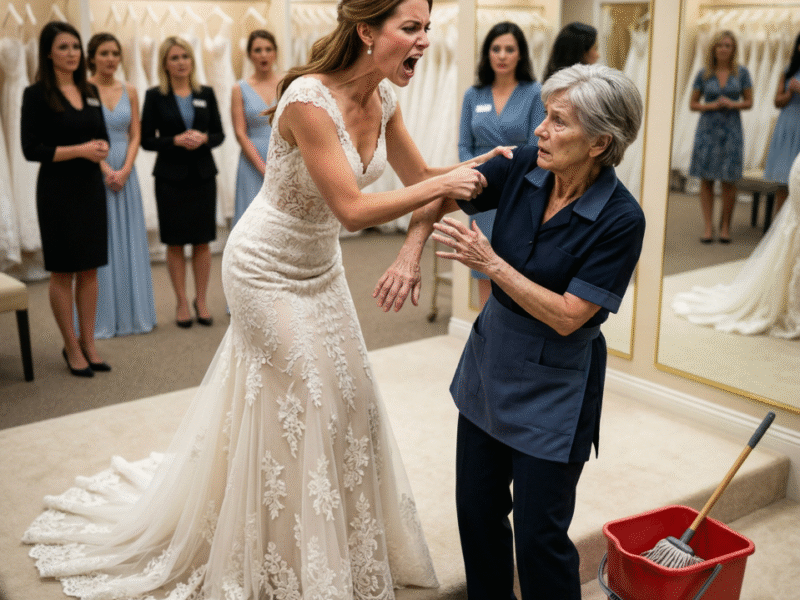
Navigating family dynamics, especially with in-laws, often requires a delicate balance. But what happens when that balance tips into blatant disrespect? Sharon faced this exact scenario when her sister-in-law, Jessica, organized a family vacation and assigned Sharon’s elderly mother a thin mat in a hallway while other guests took the beds. This story is a powerful case study in when to set a firm boundary and how to advocate for a loved one with both conviction and strategic action.
The situation unfolded predictably: the enthusiastic planner (Jessica), the passive enabler (Sharon’s brother, Peter), and the self-sacrificing parent (Sharon’s mother, Meryl) who tried to “not make a scene.” Sharon’s initial approach was through communication, calling her brother to demand an explanation. When met with dismissal, she recognized that talk was insufficient. She moved to action, securing care for her sick child and driving to the vacation home with a tangible solution—a proper air mattress—and an unshakable resolve.

Sharon’s confrontation was a masterclass in enforcing a boundary. She did not engage in a screaming match. Instead, she calmly presented Jessica with the consequences of her actions: relinquish the master bedroom or experience the discomfort she had imposed. By physically repacking Jessica’s belongings, Sharon made the boundary material and non-negotiable. This public action served two purposes: it immediately rectified the injustice for her mother, and it communicated to the entire family that such treatment was unacceptable.
The emotional core of the story is the repaired bond between mother and daughter. Sharon’s mother, used to being the caregiver, was moved to tears by being cared for so fiercely. This shift in dynamic—where the child becomes the protector—is a profound moment in any parent-adult child relationship. It validated the mother’s worth and reinforced that her comfort mattered.
This experience offers a clear lesson for anyone dealing with difficult in-laws or family conflict: protectiveness is not rudeness. When a loved one is being demeaned, especially an elder or vulnerable person, polite diplomacy may fail. Preparedness, clear action, and the willingness to withstand temporary conflict are necessary tools. Sharon’s story teaches us that sometimes, the most loving thing you can do for your family is to be the one who is unafraid to cause a necessary, corrective scene.