Divorce at any age feels like a failure, but at sixty, after thirty-seven years, it feels like the earth giving way. When Rafael left me at the courthouse in Guadalajara, he offered a bank card with three thousand pesos—a sum so small it felt like an insult. He said it would help me survive for a few months, as if our shared life had been a short-term lease. I took the card, a token of my perceived worthlessness, and let him walk out of my life. The anger that followed was a fuel that kept me moving through the destitution that came next. I survived on grit and little else, but I refused to touch his money. It was a monument to my pride and my pain.
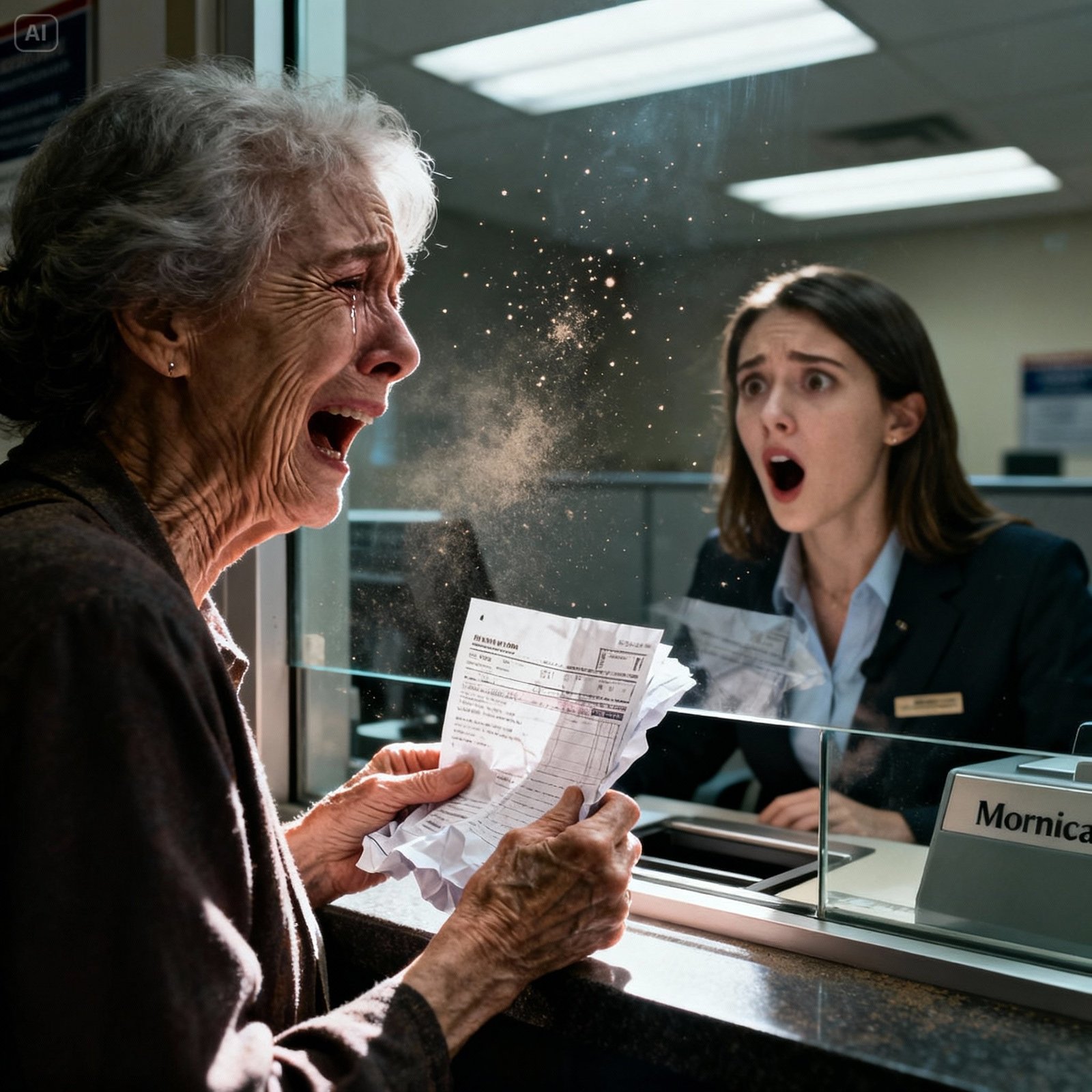
My existence became a shadow of what it once was. A tiny room, menial work, and the gnawing emptiness of hunger defined my days. I believed I had been thrown away, and that card in my worn purse was the proof. I wore my resentment like armor. Then, my health failed. Malnutrition forced me to the hospital, and with no options left, I dragged myself to the bank. I was ready to swallow my pride and take the three thousand pesos. What happened next was a scene from a dream. The cashier’s shocked face, the printed statement, the staggering balance—it made no sense. Rafael’s name was on every deposit, a silent, monthly vigil spanning five years.
Confusion replaced anger. This was not the action of the man I thought I knew. Driven by a need for truth, I found his sister. The story she told unraveled my reality. Rafael had not left me. He had released me. Diagnosed with a terminal illness, he had chosen to bear the burden of his decline alone rather than chain me to a slow, painful goodbye. The cruel divorce, the paltry sum—all were a deliberate performance to make me let go, to make me angry enough to move on. The money was his way of watching over me from a distance, ensuring I would never want even as he vanished.
His letter, given to me posthumously, was a confession of love, not neglect. He wrote of not wanting my last memories of him to be of sickness, of wanting me to live free. He asked not for forgiveness, but for my happiness. In that moment, every bitter night, every hungry day was reframed. The man I had cursed had loved me with a profound, self-sacrificing depth I could scarcely comprehend. The card was not a dismissal; it was a key to a life he ensured I could have after he was gone. The greatest tragedy was that I only understood his love after I could no longer tell him.