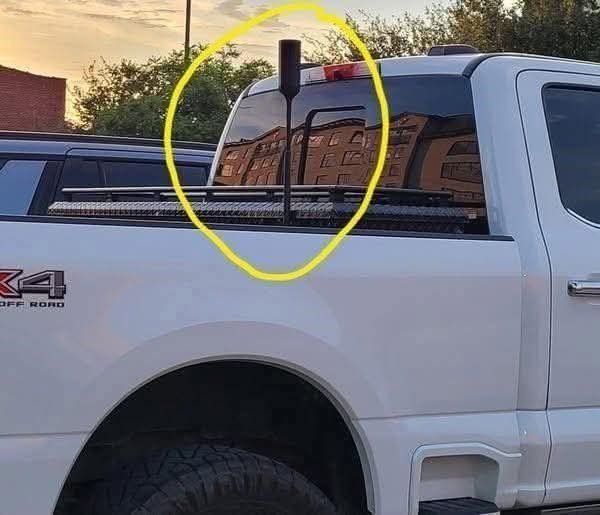
Spot a slender antenna towering over a pickup truck, and you might assume it’s for amateur radio or simply a stylistic accessory. Yet that antenna is often the most visible piece of a crucial piece of technology: a cellular signal booster. Unlike the CB antennas of decades past, which facilitated voice communication between drivers, today’s version is all about pulling in and amplifying weak cell signals to keep smartphones and other devices online.
How does it work? The external antenna reaches out to capture even the weakest available signal from distant cell towers. That signal is then fed into a booster unit inside the vehicle, which amplifies it before rebroadcasting a stronger, cleaner signal inside the cab. This process can turn spotty, frustrating service into a stable connection, enabling everything from urgent phone calls to seamless video streaming. For anyone who frequently drives through “dead zones,” this system transforms the driving experience.
Its value is particularly clear for those whose work or lifestyle takes them off the beaten path. Ranchers monitoring vast properties, delivery drivers navigating backroads, and adventure seekers exploring remote trails all benefit from the reassurance of reliable connectivity. Popular models allow multiple devices to connect at once, making them practical for work crews or families traveling together. So, while the antenna might look like a nod to trucking nostalgia, it’s actually a forward-looking tool for staying safely and productively connected in an increasingly digital world.