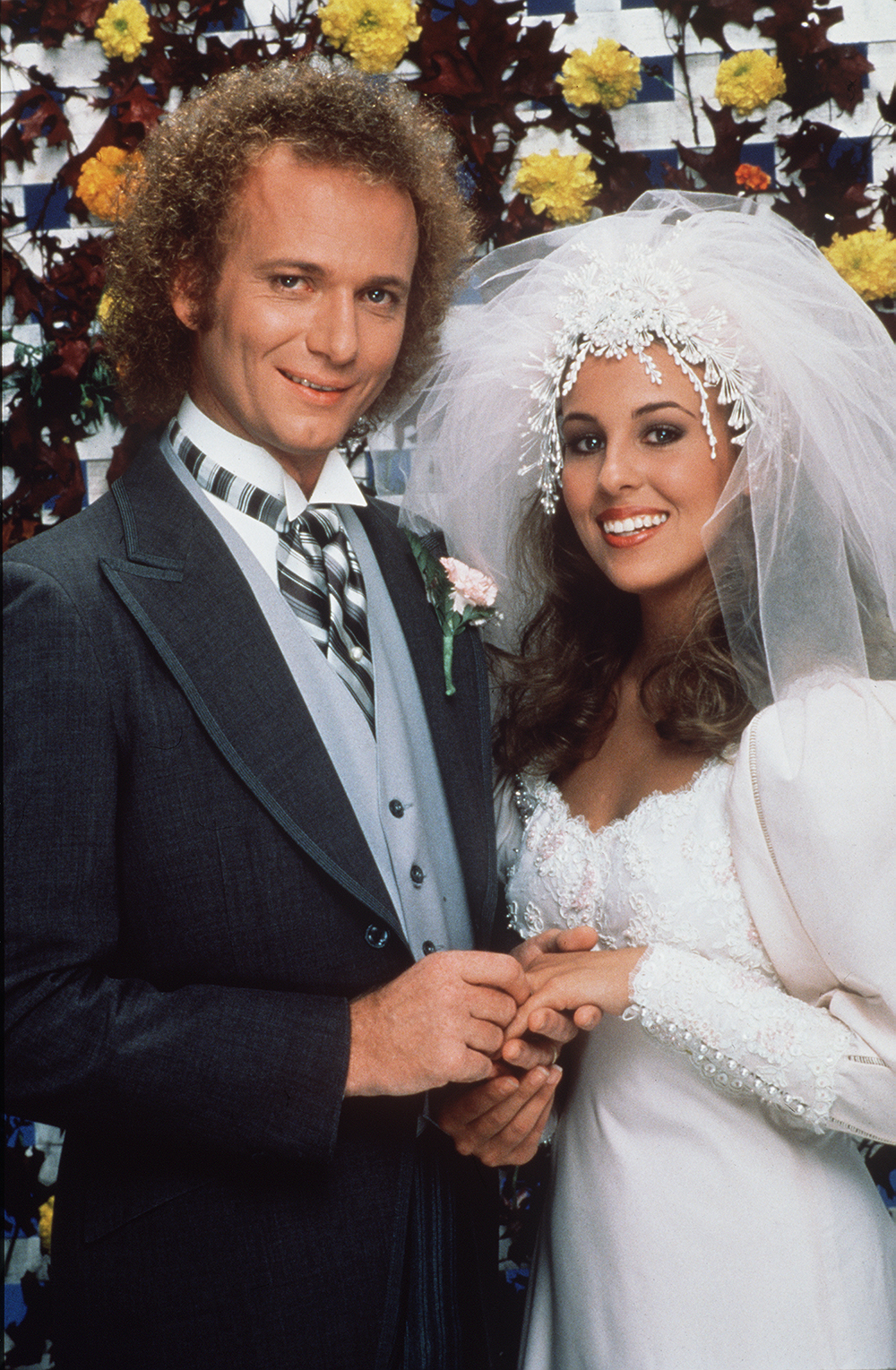
The recent passing of actor Anthony Geary invites us to look beyond the iconic headlines of the Luke and Laura wedding and the eight Daytime Emmys. His was a life scripted not by network writers, but by a persistent quest for artistic authenticity and personal peace. It’s a tale in three distinct acts: the diligent student, the accidental icon, and the contented exile, each phase reflecting a man thoughtfully navigating the demands of his own extraordinary circumstances.
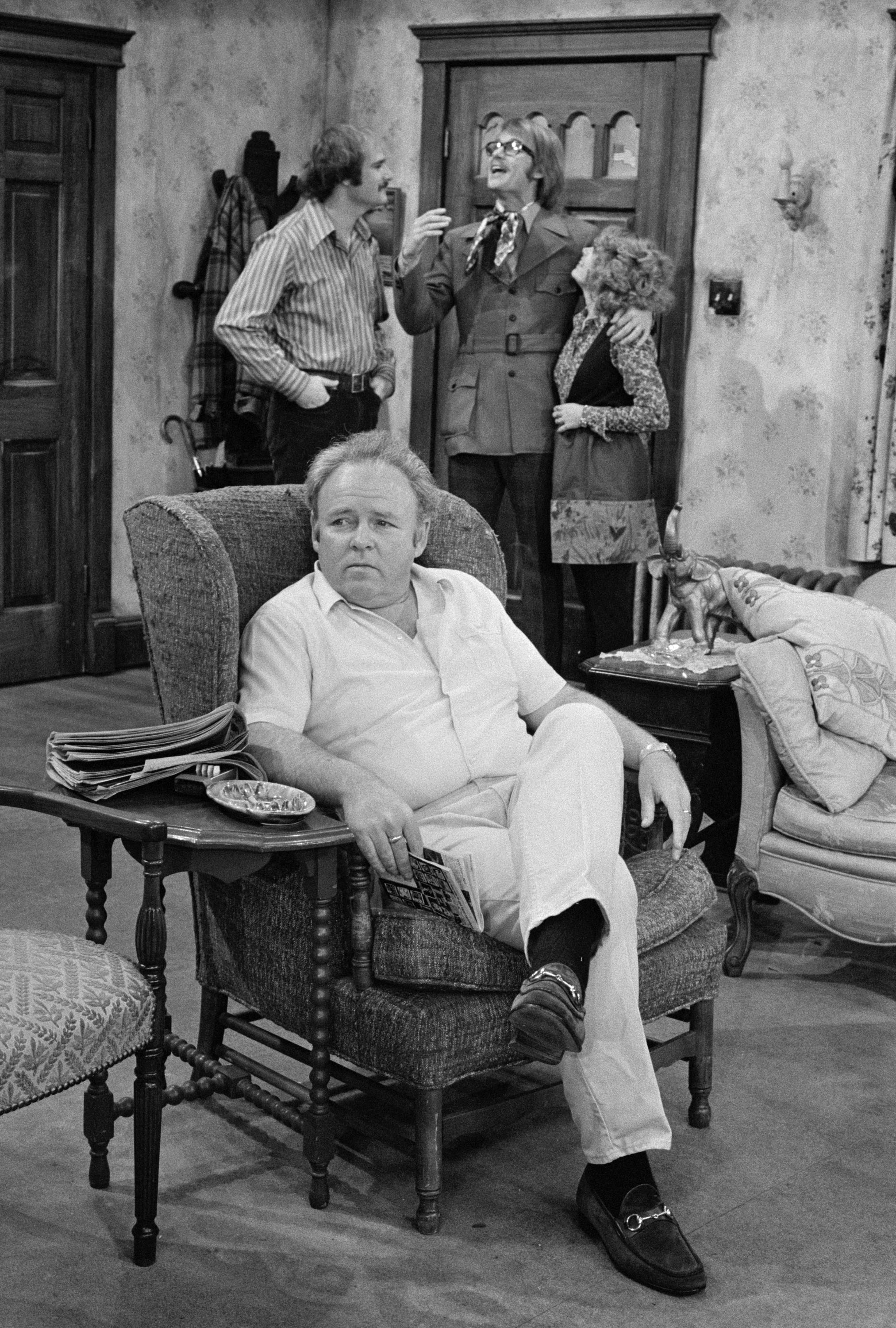
Act One began far from any soundstage, in the mountains of Utah. The structure of his early family life contrasted with a burgeoning creativity that demanded expression. Theater provided that outlet, first as an academic pursuit and then as a professional survival test in Los Angeles. He built his career brick by brick, through musicals, classical drama, and countless TV guest spots, developing the formidable skills that would soon be put to the ultimate test on the world’s most famous soap opera.
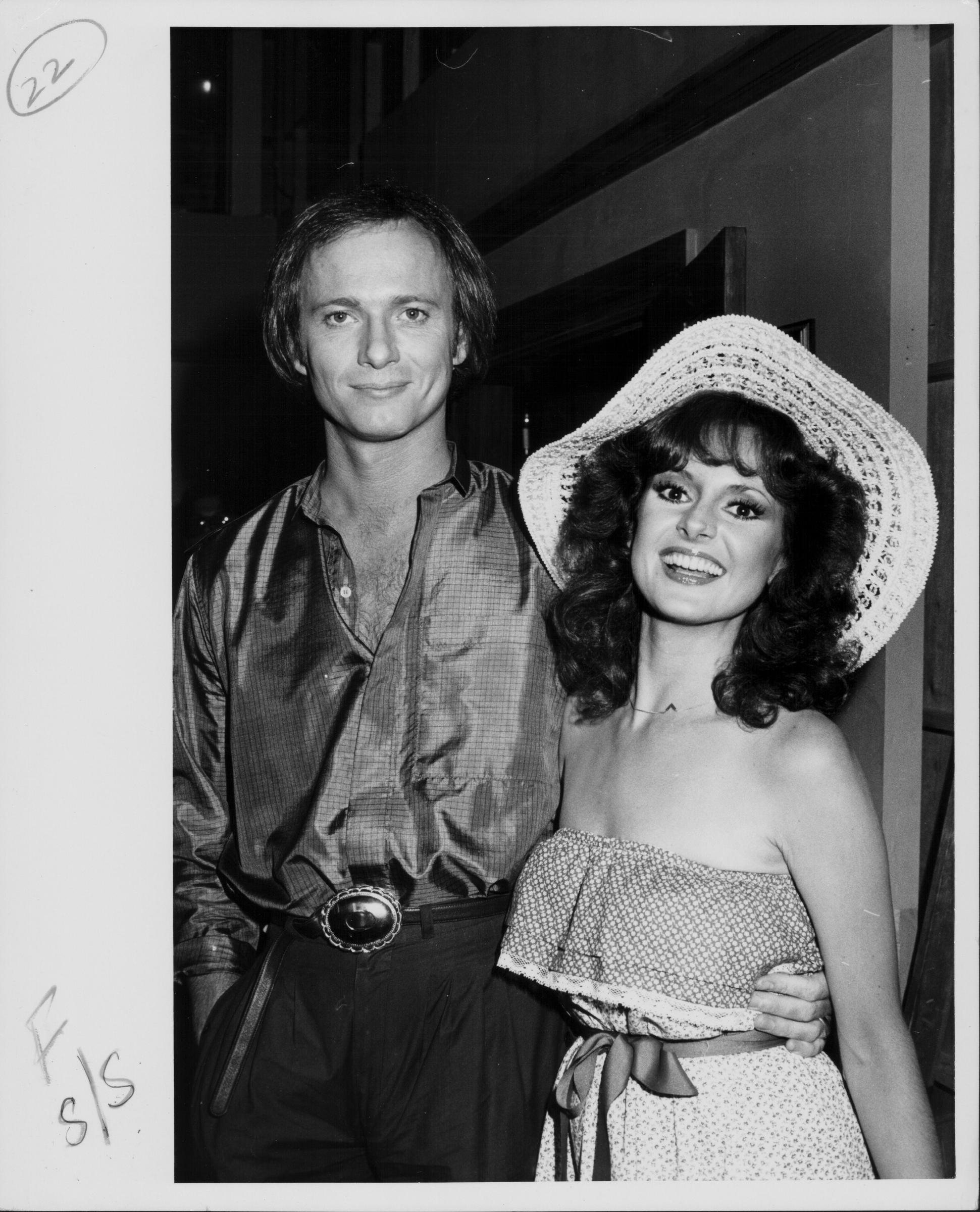
Act Two, the “General Hospital” decades, transformed him from a working actor into a household name. Geary embraced the challenge of Luke Spencer, a character he described as an antihero doing wrong things for right reasons. He appreciated the rare opportunity to play such moral ambiguity in a leading role. While he enjoyed the creative collaboration and accolades, the relentless nature of fame—the loss of privacy and the constant public expectation—began to feel like a costume he could no longer wear indefinitely.
Interwoven with this professional saga was a deeply private subplot: his years-long romance with Elizabeth Taylor. This relationship, revealed long after it began, illustrated his discretion and his desire to protect genuine connection from the Hollywood rumor mill. It was a partnership between two people who understood the peculiarities of life in the public eye, and it underscored his belief that the most real parts of life happen off-camera.
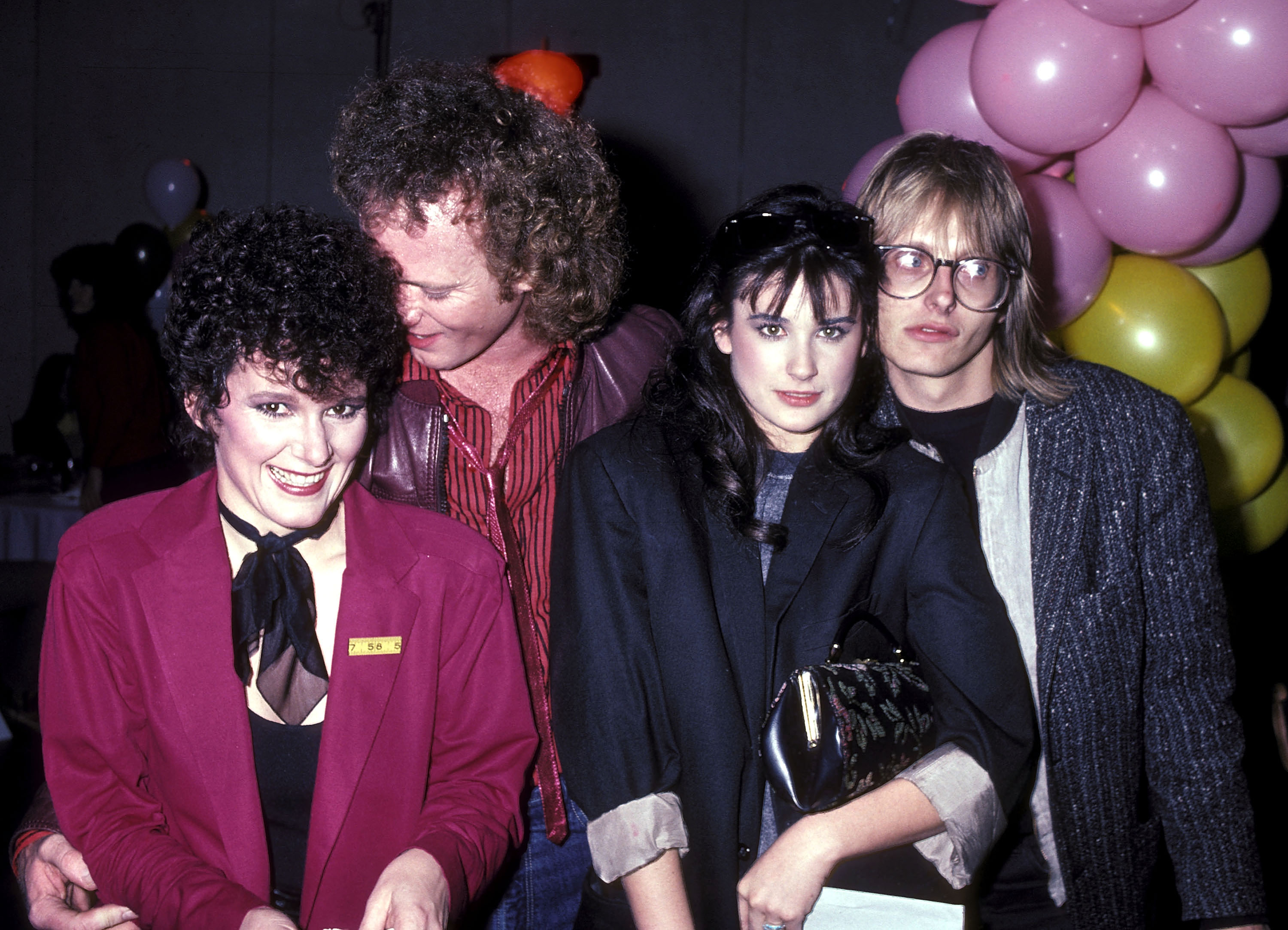
This belief paved the way for Act Three. Choosing Amsterdam over Hollywood was Geary’s final, definitive creative choice. It was the setting for a life defined by love, domesticity, and cultural exploration, free from the scripts and schedules that had dominated his adulthood. He expressed no desire for a comeback, only profound gratitude for a career that afforded him this quiet, rich conclusion. His story reminds us that a happy ending is a personal definition.