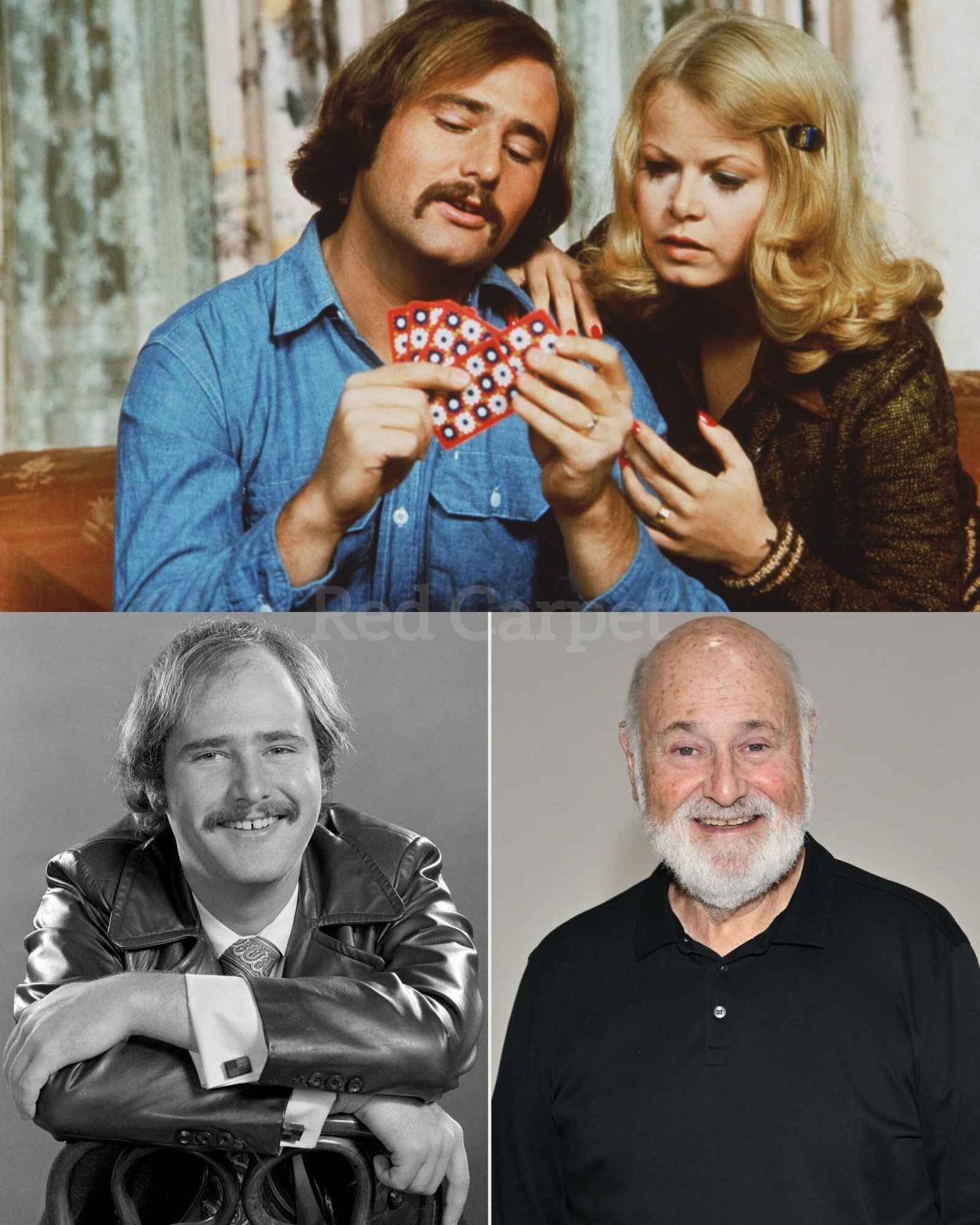
Rob Reiner’s enduring impact stems from a simple, brave choice: to embrace discomfort in the pursuit of truth. As the iconoclastic Michael Stivic on All in the Family, he occupied the most volatile seat in television history—directly across from Archie Bunker. In that fictional Queens living room, Reiner’s performance gave a face and a voice to the counterculture, challenging entrenched bigotry not with lectures, but with exasperated, principled rebuttal. The show weaponized the sitcom format, transforming the family comedy into a national town hall where no topic was off-limits, and Reiner was its passionate, ethical anchor.
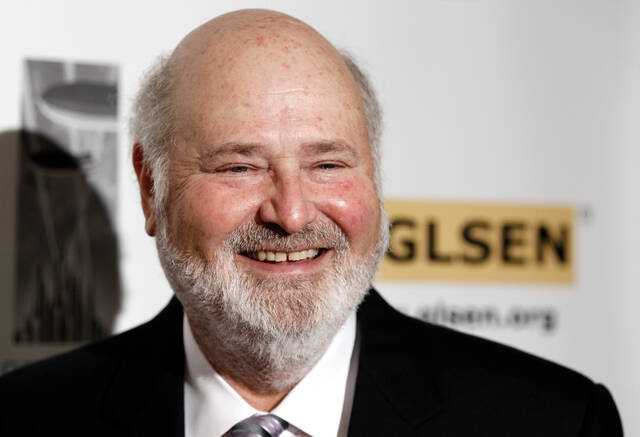
The journey was far from easy. The material was so potent it sometimes threatened to consume its creators. Reiner recounted the palpable tension on set, where the actors themselves grappled with the weight of their words. The experience of receiving venomous hate mail tested his resolve, forcing him to confront the reality that provoking thought often provokes anger. Yet, a transformative moment with a live audience—a stranger’s tearful admission of being seen—redefined success. It proved the show’s value wasn’t in universal approval, but in specific, profound recognition. Comedy, Reiner learned, could be a lifeline.

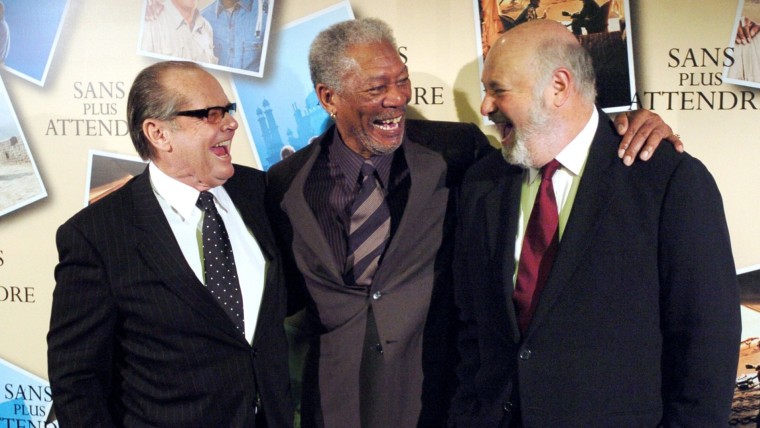
This lesson became the throughline of his remarkable career. Whether directing the mockumentary genius of This Is Spinal Tap or the timeless romance of The Princess Bride, Reiner never lost his knack for blending entertainment with insight. His later life as a vocal activist was a natural extension of this principle, moving the debate from the soundstage to the public square. Rob Reiner’s legacy is a masterclass in using one’s platform not just for fame, but for friction—understanding that the stories we tell and the stands we take can gently, or not-so-gently, bend the moral arc of the world around us.