The backdrop of my youth was a 1970s Texas where bigotry was baked into casual conversation. It was a world of clear boundaries, where difference was often met with suspicion or mockery. I navigated this landscape without a map for dissent, accepting its contours as inevitable. “All in the Family” changed that. It imported a conflict into our home that mirrored the silent tension in my own mind, giving it voices: the blustery, fearful ignorance of Archie Bunker and the principled, empathetic pushback of his son-in-law, Meathead. In that fictional clash, I found my first model for resistance.

Archie was terrifyingly familiar. His rants echoed the sentiments of men in my community, voiced with a cartoonish bluntness that laid their ugliness bare. But Meathead, played with perfect conviction by Rob Reiner, was the revelation. He wasn’t a flawless hero; he could be self-righteous and grating. Yet his core was unshakeable: a belief in fairness and human dignity that he defended with dogged persistence. He showed me that confronting prejudice wasn’t about being the smartest person in the room, but about being the one who cared enough to stay in the room and argue for decency.
This televised dynamic did more than entertain; it educated. It demonstrated that ignorance like Archie’s wasn’t a force of nature, but a choice that could be challenged. Meathead’s weapon was empathy—his ability to see the humanity Archie dismissed. This reframed everything for me. The political became personal. Justice was no longer a distant ideal discussed on the news, but a daily practice of how we talk to our own family, how we question the offensive joke, how we stand up for the marginalized person in the story. The show gave me permission to believe my discomfort with the status quo was valid, even necessary.
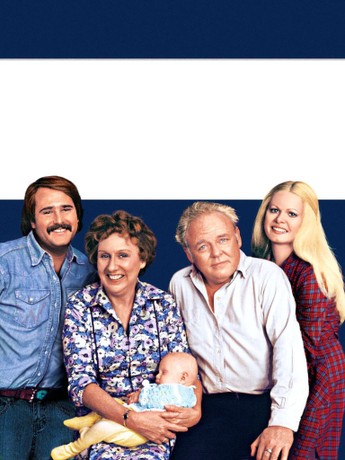
That permission had a lasting effect. The seeds planted by those episodes grew into a lifelong commitment to social justice. Meathead taught me that change often starts in uncomfortable conversations, and that empathy is the most compelling argument against hate. In today’s polarized world, that lesson feels more vital than ever. I am grateful for that loudmouthed bigot and the “meathead” who fought him every week, for together they provided the dramatic friction that sparked my own journey from passive acceptance to active compassion.