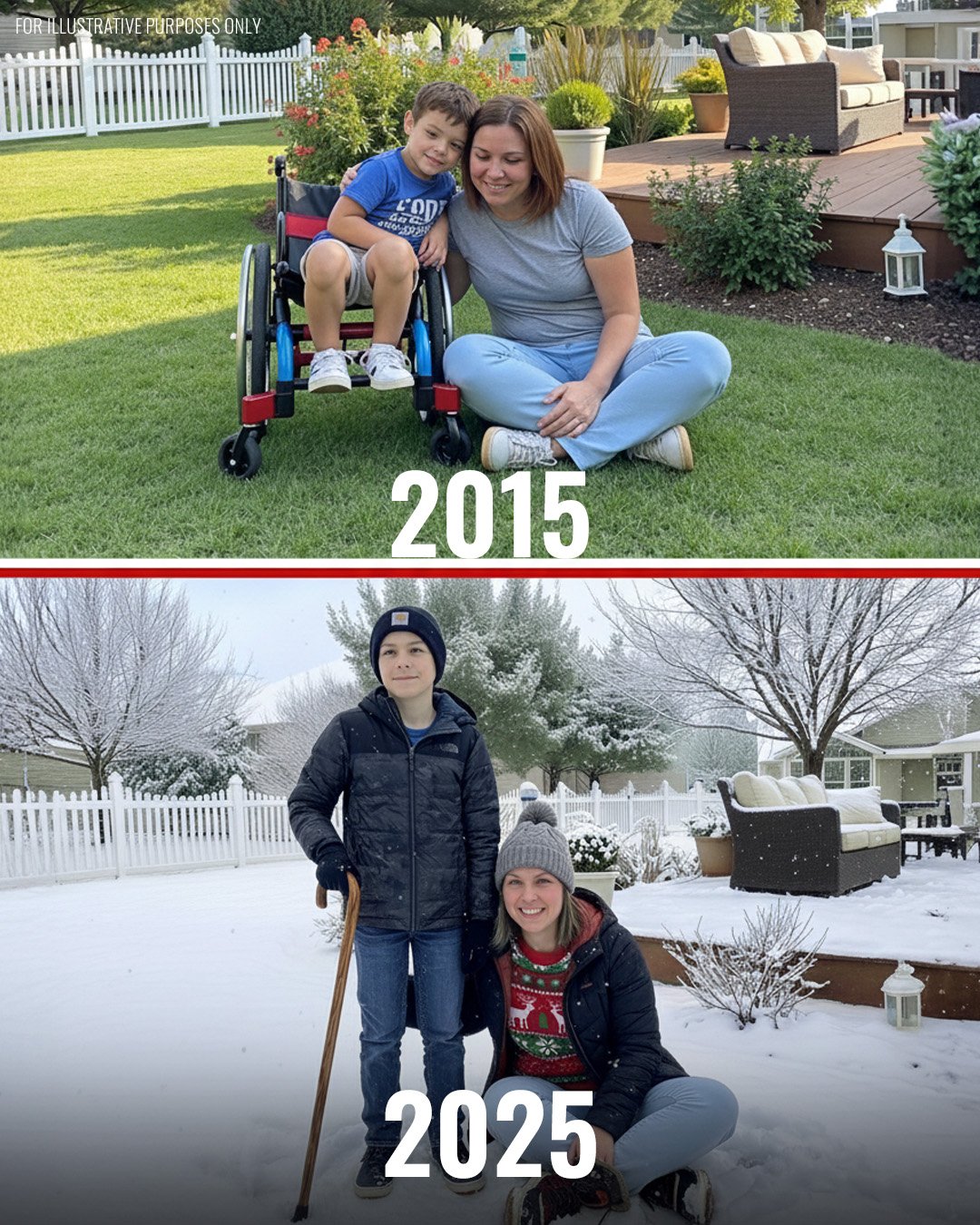
The ethical question arrived on my porch, dressed in expensive clothes and accompanied by a lawyer. But the real dilemma had been delivered to me eleven years earlier, in the form of a small, confused boy. My sister, Lila, abandoned her disabled son, Evan, with me to pursue a life she deemed “better.” For over a decade, I raised him as my own, through every struggle and triumph. Then, just as he was flourishing, Lila returned, demanding a second chance. Her sudden reappearance forces a difficult question: can a parent who leaves when it’s hard ever rightly return when it’s easy?
The years of her absence were not a void; they were a tapestry woven with sacrifice. I transitioned from aunt to mother, shouldering the immense financial and emotional weight of raising a child with significant needs. Evan’s childhood was marked by therapy sessions, medical bills, and the constant work of inclusion. His achievements were born from this environment of steadfast support—a support Lila willingly abdicated. She chose not to be present for the making of the man, yet now wanted to enjoy the finished product.
Her argument in court was one of transformation—a reformed woman seeking redemption. But redemption requires authentic remorse and a willingness to atone for the specific harm caused. Her actions suggested otherwise. She spoke of Evan’s “value” and the “opportunities” his story presented. This language revealed a transactional mindset: she viewed him as an asset, not a son she had wronged. Her return seemed less about maternal love and more about sharing in the social capital of his success.
Evan, now a thoughtful teenager, became the key witness to his own life. His testimony was not vengeful, but factual. He drew a direct line between her abandonment and his security with me. The court’s decision to grant me full custody was a legal affirmation of a psychological truth: parental rights are earned through consistent action, not merely granted by biology. Lila had, through years of willful absence, forfeited her claim.
The final chapter was written by Evan himself, when he asked me to adopt him. This was his conscious choice, a young man defining his own family. Our story suggests that some doors, once closed through profound neglect, are meant to remain shut. Forgiveness is possible, but restoration of a parental role is not automatic. It is a privilege earned daily, and sometimes, that opportunity passes forever, leaving the rightful bonds—those forged in loyalty and love—to remain unbroken.