In a bold assertion of national identity, Italy has passed the world’s first ban on lab-grown meat, drawing a stark line between its cherished culinary past and a bioengineered future. This legislative move specifically outlaws the commercial lifecycle of meat produced from cultured animal cells, making a clear distinction from plant-based alternatives. The decision is a profound declaration that in Italy, food is an artifact of culture, geography, and craft—not a commodity to be engineered in sterile facilities. It is a stand that has been celebrated at home and scrutinized abroad, highlighting a deep global rift over the direction of food innovation.
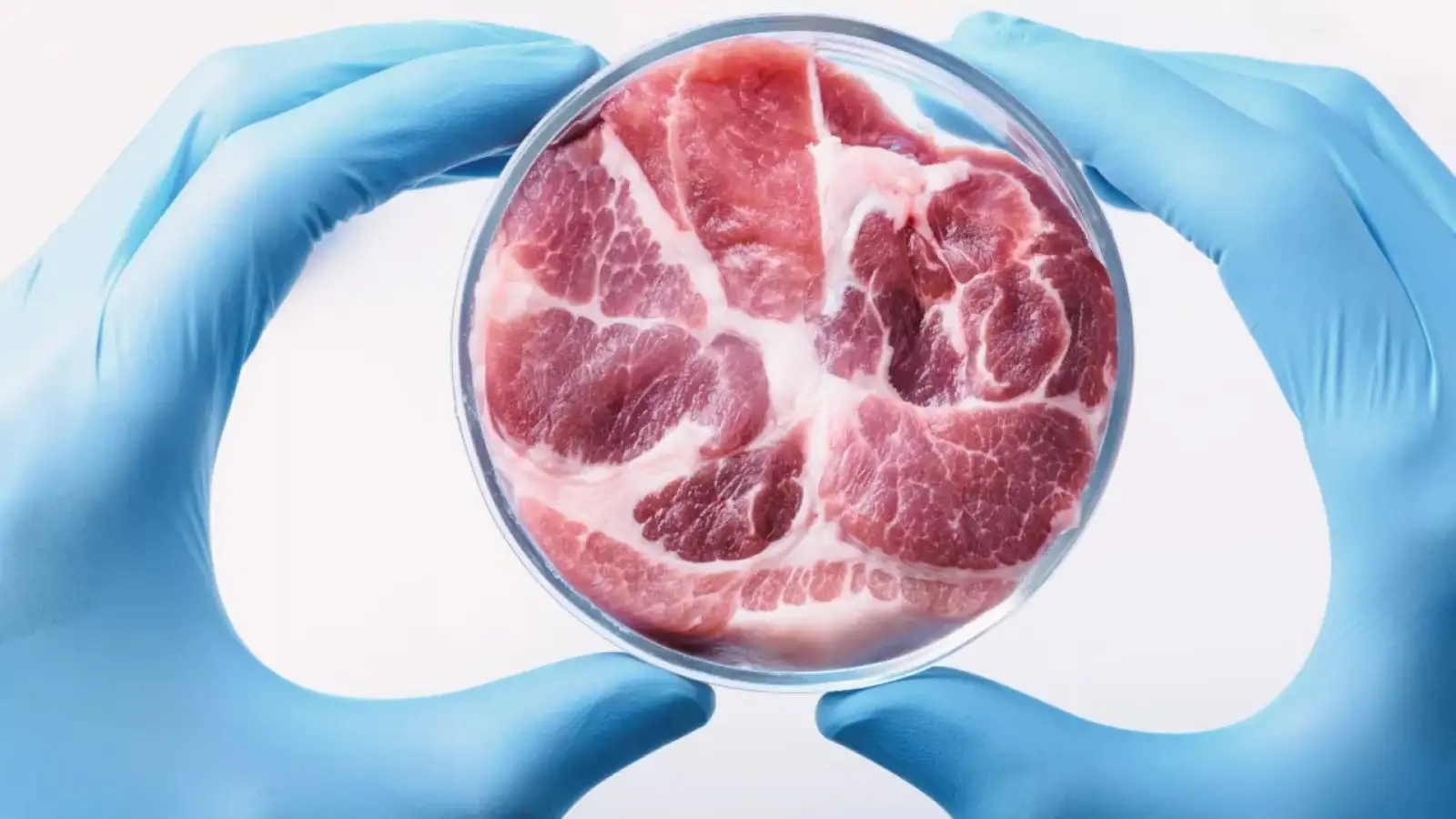
Driving this ban is a powerful coalition of cultural pride and economic interest. Italy’s vast agricultural sector, with its iconic products governed by Protected Designation of Origin (PDO) labels, is seen as vulnerable to the vague marketing of “clean meat.” The fear is that consumers, especially future generations, might not distinguish between a mass-produced cultured product and a traditionally reared one, eroding the value and viability of Italy’s farming heritage. The law is thus an active defense mechanism, designed to keep the country’s food narrative rooted in its sun-drenched soils and artisan workshops, not in the venture capital portfolios of Silicon Valley.
Safety and sovereignty are equally potent factors in the debate. Italian policymakers express deep unease with the “unnatural” process of cellular cultivation, questioning the nutritional equivalence and long-term health implications of the final product. This skepticism fuels a broader desire for food sovereignty—the right of a people to define their own food and agricultural systems. The ban is interpreted as an act of reclaiming control from global biotech conglomerates, ensuring that Italy’s food policies are made in Rome, not in the boardrooms of multinational corporations funding this new technology.
The criticism from the scientific and environmental communities has been sharp. Many experts view the ban as an anti-science regression that ignores the pressing realities of climate change and resource scarcity. They point to studies showing cultured meat’s potential to drastically reduce emissions, land use, and antibiotic reliance compared to conventional livestock. By rejecting this technology outright, Italy stands accused of prioritizing a romanticized version of its past over a pragmatic tool for a more sustainable global future, potentially abdicating a leadership role in shaping tomorrow’s food solutions.
What Italy has initiated is far more than a national policy shift; it is a high-stakes experiment with international repercussions. The ban challenges the European Union’s single-market principles and will likely face legal battles that could redefine regulatory boundaries. For the rest of the world, Italy serves as a compelling reference point. Will its stance empower other traditional food cultures to enact similar barriers, creating a patchwork of bans? Or will it accelerate innovation and approval in countries eager to embrace food tech? Italy’s decision has poured rich, aged olive oil onto the fires of a global debate, ensuring that the conversation about what we eat—and why—will only grow more heated.