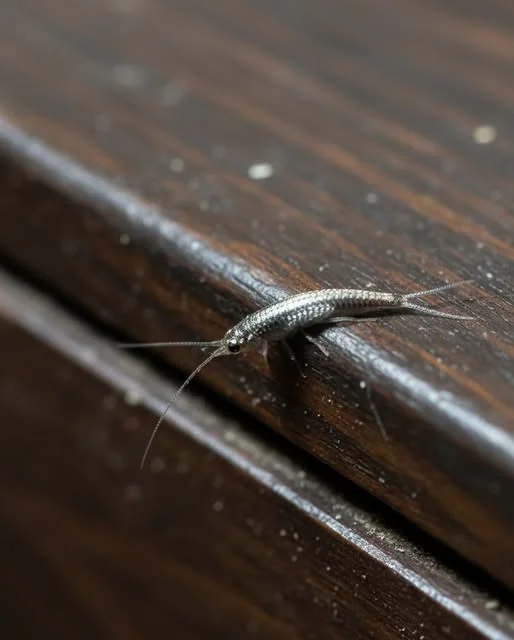
That quick, silvery streak across the floor is a tiny creature with a big story to tell. Silverfish are common household insects whose presence is almost always a commentary on your home’s environment. They are not poisonous or aggressive, but they are persistent opportunists, and seeing them is a clear sign that your living space meets their very specific needs. Instead of just squashing the intruder, it’s worth listening to the underlying message they bring about moisture, food, and shelter within your walls.
The tale a silverfish tells is primarily about water. They absorb moisture from the air and will quickly dehydrate and die in dry conditions. Therefore, their survival in your home is a direct report of elevated humidity levels. Common hotspots include poorly ventilated bathrooms, damp basements or crawl spaces, kitchens with persistent condensation, and areas around leaky plumbing fixtures. The second chapter of their story is about their eclectic diet. They will feed on the starches in book bindings, photographs, wallpaper paste, cotton shirts, cereal boxes, and even certain types of paint. Their presence indicates these materials are accessible.
You can rewrite this story by changing the setting. Begin by making your home less humid. This might involve running a dehumidifier in the basement, using exhaust fans more diligently, or repairing a trickling pipe under the sink. Next, edit their food sources. Protect important documents and books in sealed plastic containers. Move pantry items like flour and oats into jars with tight-fitting lids. Reduce clutter in storage areas, as stacks of boxes and papers create an ideal habitat. Regular vacuuming removes both potential food particles and the insects themselves from hidden corners.
If changes to the environment don’t fully resolve the issue, you can introduce gentle countermeasures. A light application of food-grade diatomaceous earth along baseboards and in cabinet voids creates a desiccating barrier that is harmless to people and pets. Sticky traps placed behind toilets or under sinks help you monitor the population. Many people also find that the scent of cedar, lavender, or citrus acts as a repellent; small sachets in drawers and shelves can provide a pleasant, proactive deterrent. The key is to be patient and consistent, as these methods work over time by making your home fundamentally unwelcoming.
Keeping silverfish away for good is a matter of ongoing awareness and simple maintenance. It means being attuned to humidity, practicing smart storage, and maintaining a reasonably clean and uncluttered space. Make it a seasonal ritual to check for moisture in problem areas and to refresh protective measures like cedar blocks. When you understand that a silverfish is merely a messenger pointing out correctable conditions, it loses its power to unsettle you. By taking its appearance as a helpful cue, you can act to protect your belongings and ensure your home remains comfortable and secure.